
This UK Startup Is Turning Food Waste Into Oils and Fats – And Just Raised £4.5 Million to Go Global
- ByStartupStory | April 15, 2026
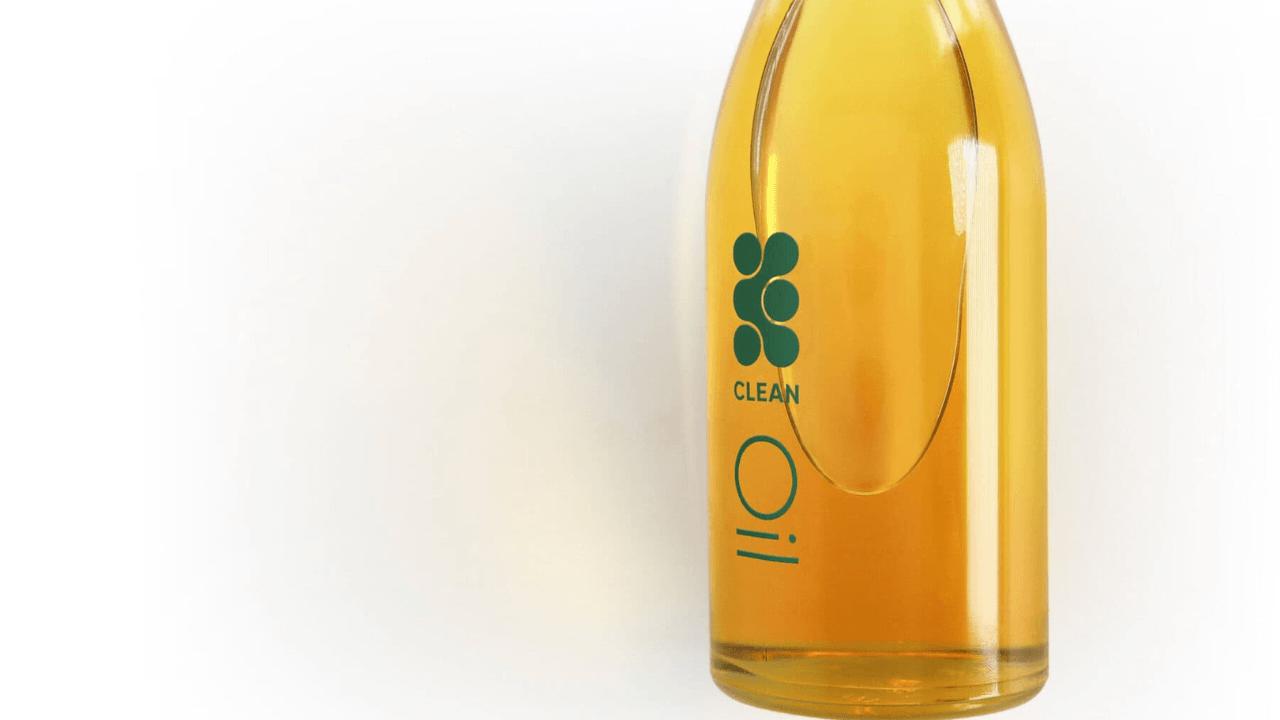
Clean Food Group is using yeast fermentation technology to produce sustainable alternatives to traditional oils and fats, at a moment when global supply chains have never felt more fragile.
The cooking oil on a supermarket shelf seems like one of the most mundane things in the world. Yet behind it lies a deeply complex, climate-vulnerable, and geopolitically exposed supply chain — one that recent years of war, drought, and trade disruption have made impossible to ignore. A UK biotech startup thinks fermentation science, yeast, and food waste hold the answer.
The Raise
Clean Food Group (CFG) has raised £4.5 million in investment led by Clean Growth Fund and New Agrarian. CFG has also successfully secured a £700,000 non-dilutive grant from Innovate UK, which further strengthens the company’s financial position.
The combined capital signals serious institutional confidence in a company that sits at an unusual and compelling crossroads: deep biotech, circular economy principles, and food system resilience — all in one platform.
What Clean Food Group Actually Does
The science at the heart of CFG is both elegant and commercially grounded. Clean Food Group produces essential oils and fats through fermentation, using food waste feedstocks and scalable microbial production to enable a more sustainable and resilient global food system.
Founded in 2022 after eight years of pioneering research, CFG manufactures its oils and fats from food waste, leveraging scalable yeast strains and fermentation technology to deliver sustainable alternatives to traditional oil and fat ingredients.
In other words, what would otherwise be discarded at various points in the food production chain becomes the raw input for ingredients that end up in food products, cosmetics, and more.
From Lab to Industrial Scale
This isn’t a lab-stage experiment. CFG has already made the critical leap that kills most deep-tech food companies — it has proven the manufacturing process at scale. The manufacturing process is now validated at scale, significantly bolstered by the transformational acquisition of a 1 million litre fermentation facility in Knowsley, Liverpool, in 2025.
CFG has strategic and industrial collaborations in place with leading global FMCG and ingredients manufacturers and has a strong demand pipeline for its products.
The commercial momentum extends to regulatory milestones too. In 2025, its CleanOil™ 25 product received approval to be used as a cosmetics ingredient in the UK, US, and Europe — a meaningful signal that the product meets rigorous standards across multiple major markets simultaneously.
The Investor Perspective: Supply Chain Resilience as an Investment Thesis
What makes this funding round particularly compelling is the clarity with which investors have articulated why they backed CFG — and it goes well beyond sustainability optics.
Jim Mellon, Chairman and Founder of New Agrarian, connected the investment directly to one of the defining macro risks of this decade: “War, climate volatility, and trade disputes are presenting a huge challenge to manufacturers; the ingredients we assumed would always be available are no longer guaranteed. Clean Food Group uses scalable science and technology to build genuine resilience and sustainability into how we produce and source key ingredients for everything from food to cosmetics.”
He went further, describing it as sitting at a rare intersection — “a compelling investment case and a genuine solution to one of the most pressing challenges of our generation.”
Rodrigo Hortega de Velasco, Managing Partner at Döhler Ventures, echoed the conviction: “CFG has consistently demonstrated both the strength of its technology and the commercial potential of its sustainable oils and fats platform.”
What the Capital Will Build
The fresh funds have a clear destination. According to Tom Ellen, CFO of Clean Food Group, the capital raised will enable the company to bring on-stream the world’s largest yeast-derived oils and fats facility and to deliver on their long-term vision for sustainable food manufacturing.
That’s a landmark claim — and one that, if achieved, would put CFG in a category of its own globally.
Why This Story Matters Beyond Europe
For entrepreneurs and investors in India and across emerging markets, Clean Food Group’s journey carries a broader lesson. The global food ingredients industry — worth hundreds of billions of dollars annually — is still largely dependent on commodity crops like palm, soy, and sunflower, all of which carry significant environmental, ethical, and supply-chain risks.
Fermentation-based alternatives that use waste rather than land, and that can be produced at industrial scale close to where they’re consumed, represent a fundamentally different model. CFG is building proof that this model works — commercially, technically, and regulatorily.
As climate disruption and geopolitical instability continue to stress the systems we rely on for something as basic as cooking oil, the founders solving these problems from the ground up deserve the startup world’s full attention.
Follow Startup Story


Related Posts