
World Diabetes Day: Why Early Detection and Consistent Healthcare Matter Beyond Glucose Control
- ByStartupStory | November 14, 2026
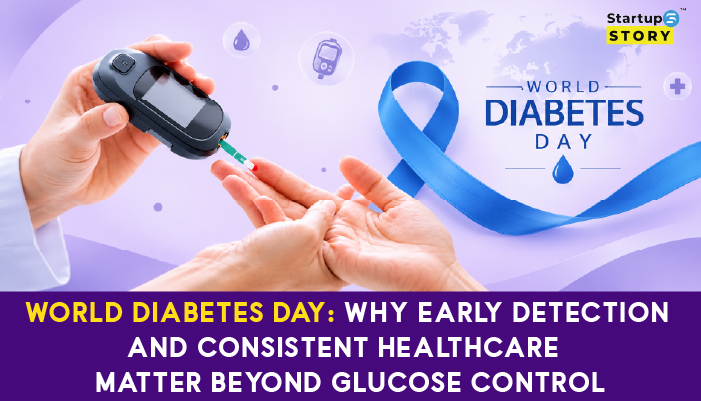
Understanding of diabetes often begins and ends with one indicator: blood glucose levels. But, as is clear from its complications, diabetes involves many organs and slowly affects the whole health of an individual. Such complications of diabetes as heart disease, renal problems, vision loss, and neuropathy may become visible only when they start interfering with a person’s daily activities.
World Diabetes Day is celebrated every year on 14th November and acts as an important wake-up call for the increasing prevalence of diabetes around the world and the need to make sure that early diagnosis, awareness, and quality care become a priority. The theme for World Diabetes Day 2026, “Early Action on Diabetes,” highlights the same aspect.
As per estimates by the International Diabetes Federation (IDF), there are 589 million diabetic adults globally, with 40% not even aware that they have the disease. This reflects the problem which exists with the fact that diabetes is an insidious disease, especially for those who have Type 2 diabetes.
Beyond Glucose: How Diabetes Affects the Body
The effects of diabetes on one’s body in the long term depend on the level of blood sugar. This is because high blood sugar levels may end up damaging blood vessels and nerves over time. The importance of this is that blood sugar testing is vital in managing diabetes.
Cardiovascular health: Patients with diabetes face an increased likelihood of suffering from cardiovascular diseases such as heart attack and stroke because of high blood sugar, especially where high blood pressure and bad cholesterol levels are present.
Kidney health: The kidneys remove waste products from the bloodstream, and constant high glucose levels may affect the tiny blood vessels that perform this role. The diabetic disease of the kidney may develop without any symptoms; hence, testing of the kidneys is essential.
Vision and eye health: Damage to blood vessels in the retina due to diabetes is called diabetic retinopathy. Failure to detect and treat this problem results in poor vision, which in severe cases can lead to blindness.
Nerve damage and foot complications: Long-term elevated blood sugar levels can damage nerve fibers, especially those in the feet and legs. Loss of sensation can make it hard to detect any injury or infection in that region.
These interconnected health risks demonstrate why diabetes care cannot be limited to occasional blood sugar checks.
The Importance of Looking Beyond Symptoms
One of the greatest difficulties with Type 2 Diabetes is that the symptoms can be subtle for several years. Among the many symptoms, increased thirst, frequent urination, fatigue, and blurry vision are just some of them, although there are people who have almost no symptoms at all.
This makes routine health assessments particularly important, especially for individuals with a family history of diabetes or other recognised risk factors.
Dr. Shrey Srivastav, Founder of Doctors On Duty, emphasises the importance of viewing diabetes through a broader healthcare perspective.
“Diabetes management should not begin and end with monitoring blood sugar levels. It requires understanding how the condition affects the body over time. Early diagnosis, regular health assessments and timely medical intervention can help identify potential complications before they become more difficult to manage. The objective should be to move towards preventive and continuous healthcare rather than waiting for symptoms to appear.”
Consistent Care Is More Important Than Occasional Intervention
Diabetes management needs to be done on a long-term basis with the help of appropriate medication, balanced diet, exercise and monitoring. At the same time, one needs to get himself screened for other possible complications, such as cardiovascular problems, kidney function, eye problems, etc.
Dr. Prashant Kumar Swarnkar, Co-founder of Doctors On Duty, highlights the importance of continuity in diabetes care.
“Diabetes is a condition that requires consistent attention, not occasional intervention. Patients need to understand the importance of following their treatment plans and undergoing recommended health assessments even when they feel well. Regular medical supervision helps doctors evaluate overall health, identify emerging risks and make timely adjustments to treatment wherever necessary.”
Making Preventive Healthcare a Priority
However, with growing emphasis on prevention in health care, diabetes awareness should change accordingly as well. Knowledge of one’s risk factors and early identification of symptoms can make an enormous difference.
The World Diabetes Day campaign is not just about regulating your blood sugar level but recognizing the fact that diabetes is a lifelong condition that needs attention from many angles.
Better results from diabetes require more than just diagnosis and medication; they require knowledge and understanding, as well as proper treatment and decision-making. To look beyond blood sugar levels is a key to protecting one’s health in the future.

Follow Startup Story


Related Posts