Xi Jinping proposes global AI governance body
- ByStartupStory | November 1, 2025
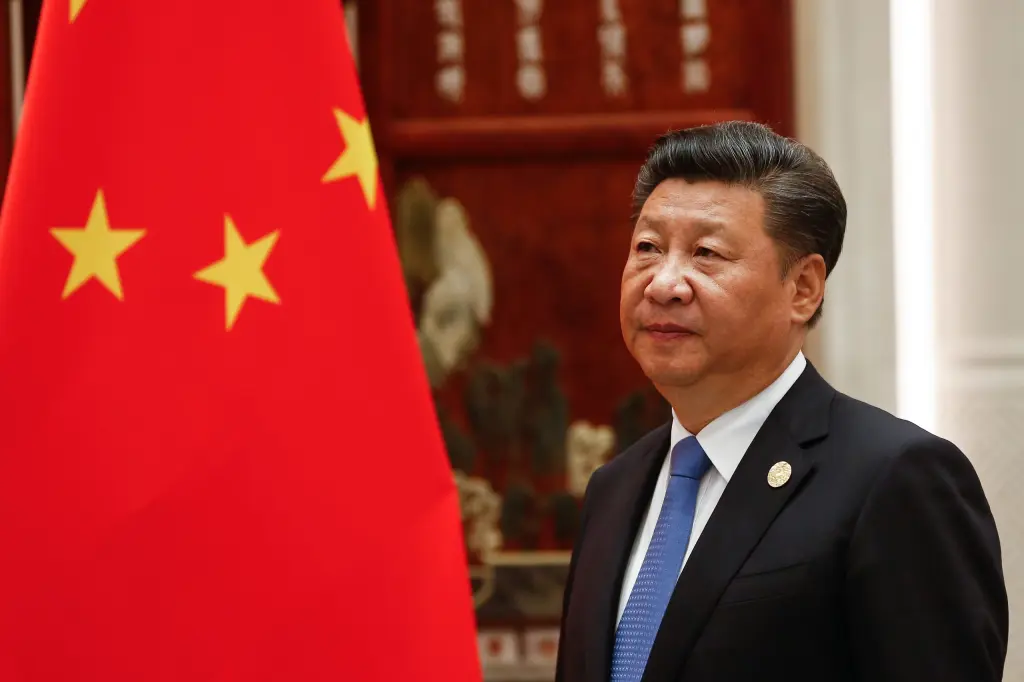
Chinese President Xi Jinping has proposed the establishment of a global body to govern artificial intelligence, marking a significant step in international efforts to regulate AI development. Speaking at the Asia-Pacific Economic Cooperation (APEC) summit held in Gyeongju, South Korea, on November 1, 2025, Xi advocated for creating a “World Artificial Intelligence Cooperation Organization” aimed at setting governance standards, promoting responsible innovation, and positioning AI as a “public good for the international community.” This proposal reflects China’s ambition to lead the global discourse on AI governance and offer an alternative model to the United States, which favors a less regulatory approach.
According to China’s state news agency Xinhua, the proposed organization could be headquartered in Shanghai, a rising global technology and commercial hub. The organization would facilitate international collaboration on AI development, enhance cooperation among countries, and work to prevent monopolistic control of AI technologies by a few nations or corporations. Xi emphasized that AI should serve the interests of people worldwide, ensuring equitable benefits from AI advancements and fostering inclusive growth.
This proposal represents China’s first formal push for a global AI governance institution since unveiling the initiative earlier in 2025. It ties into broader strategic ambitions to set ethical, regulatory, and operational standards for new technologies while reinforcing Beijing’s goal of “algorithmic sovereignty” — decreasing dependence on Western AI ecosystems. The move coincides with China’s efforts to bolster its domestic AI industry, which includes companies developing competitive AI chipsets and models.
The timing of this proposal also occurs amid ongoing tensions and competitive dynamics between China and the United States in technology and trade. While U.S. President Donald Trump departed the APEC summit early, both nations recently agreed on a one-year deal easing some trade and technology restrictions. However, significant differences remain on the issue of AI governance, with the U.S. maintaining a non-regulatory stance internationally, contrasting with China’s call for multilateral regulation under frameworks such as APEC and the United Nations.
China’s global AI governance plan also aligns with its wider digital and technological diplomacy. It emphasizes respect for national sovereignty and developmental differences, open cooperation, safety, fairness, and inclusiveness. It supports the establishment of complementary mechanisms under the United Nations, such as scientific panels and dialogues dedicated to AI governance, aiming to integrate developing countries into the evolving AI landscape.
Beyond AI, Xi’s APEC agenda highlighted sustainable development priorities, including free circulation of green technologies in electric vehicles, solar power, and energy storage—sectors where China holds global leadership. The next APEC summit will be hosted by China in Shenzhen in 2026, signaling continued ambitions to shape the region’s technological and economic future.
In summary, Xi Jinping’s proposal for a global AI governance body underlines China’s intention to guide the future of artificial intelligence through an institutional framework that promotes responsible innovation, global cooperation, and equitable sharing of AI’s benefits. This initiative marks a pivotal moment in the evolving geopolitics of AI as nations grapple with balancing innovation, regulation, and strategic competition on the world stage.

Follow Startup Story


Related Posts