When a Community Shows Up Before the Brand Asks: Inside Fuaark’s Bangalore Moment
- ByStartupStory | April 4, 2026


A D2C Brand Steps Offline
For years, D2C brands have scaled on performance marketing. Meta ads, attribution models, and CAC optimization became the backbone of growth.
But that model is changing. Customer acquisition costs are rising. Attribution is getting unreliable. And increasingly, brands don’t fully “own” their audience anymore.
Fuaark, a digital-first fitness apparel brand, decided to question that model.
Instead of doubling down on ads, it chose to do something many D2C brands hesitate to attempt , go offline.
The Store Launch: More Than Just Expansion
Fuaark’s first physical store has opened at Kaypee Icon on 12th Main Road, Indiranagar, Bengaluru, marking the brand’s entry into offline retail in one of the country’s most active fitness and lifestyle hubs.
At a surface level, this appears to be a standard milestone for a growing D2C brand expanding beyond digital, but the intent behind this move goes deeper than just presence or visibility.
It was not positioned as a vanity expansion or a branding exercise, but as a step towards creating something that digital platforms alone cannot fully offer. The idea was to build a tangible and immersive brand experience where customers do not just purchase products, but engage with the brand through its environment, its identity, and the overall experience it creates.
A Different Approach to Launch
Unlike most store openings, this one didn’t try to be loud.
With no hoardings, celebrity promotions, or an event launch by a marketing agency.
The communication stayed intentionally minimal, limited to a few organic posts that simply put the information out there.
And then, the response followed. Without urgency. Without over-curation.
Just people showing up.
Which is exactly what made it stand out
What Happened on Ground
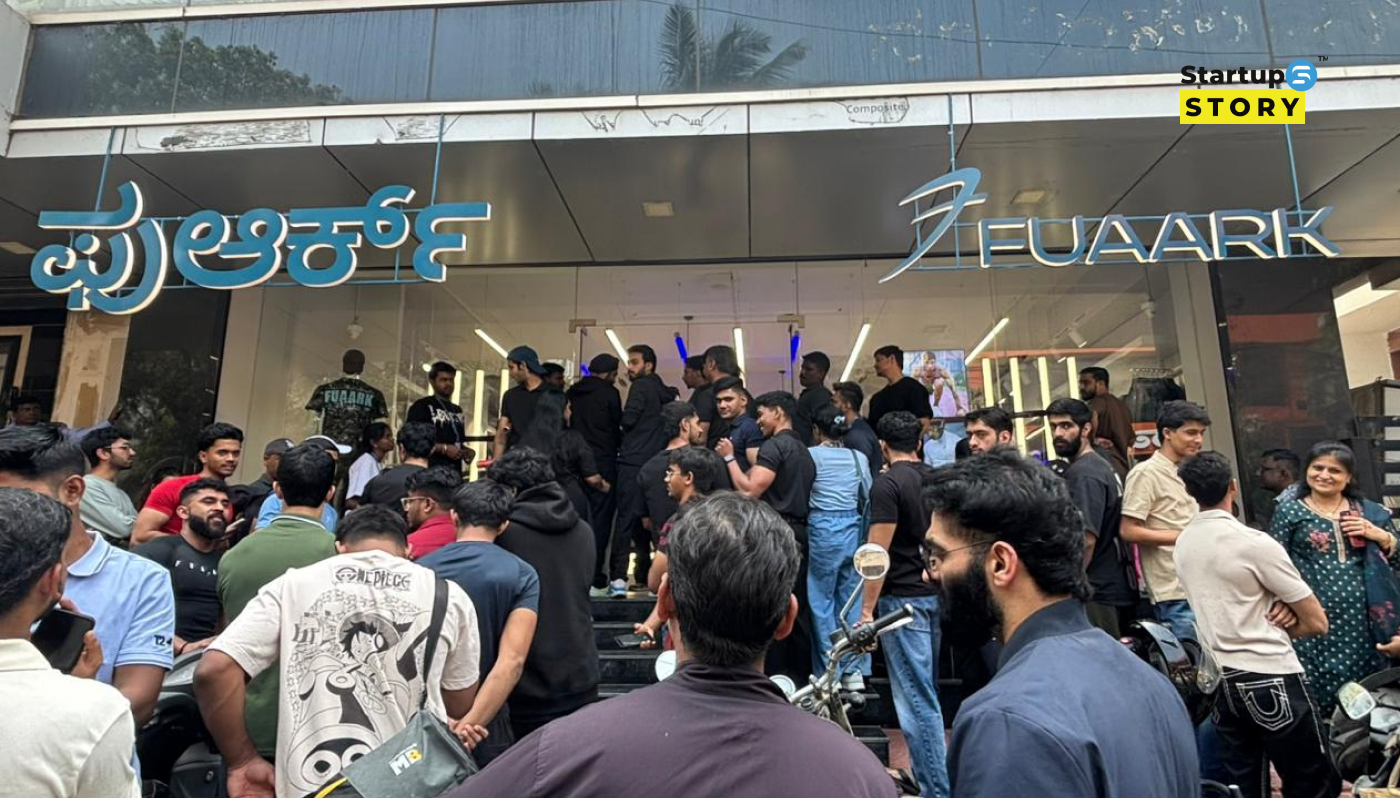
Before the doors even opened, a line had already begun to form outside the store. This wasn’t driven by limited-time offers or urgency-led tactics designed to pull people in. There were no cues pushing people to act fast. They simply chose to show up.
As the space opened, the behaviour inside reflected the same intent. People didn’t just walk in, make a quick purchase, and leave. They took their time exploring the store, engaging with the products, observing the space, and interacting with others around them. Some stayed longer than a typical retail visit would require, treating the environment as more than just a point of sale.
From a marketing perspective, this shift is significant. It moves the focus away from traditional metrics like reach, impressions, or short-term conversions, and towards something deeper. It reflects presence. It shows a level of intent, attention, and involvement that cannot be easily manufactured, and is far more valuable in building long-term brand connection
Why This Works: Beyond Just Retail
Most D2C brands today are competing on similar grounds, whether it is ad efficiency, pricing strategies, or maintaining constant visibility across platforms.
In that landscape, Fuaark’s move into offline retail introduces a different layer altogether, one that goes beyond performance metrics and focuses on experience. There are certain aspects of a brand that a website simply cannot deliver, like the feel of the product in real time, the environment that surrounds it, and the ability to engage with it beyond a transactional moment.
The store, in this sense, acts as a bridge. It does not replace digital but extends it, adding depth to an experience that was previously limited to a screen.
Where Community Strengthens the Store Experience
While the store is at the center of this launch, what really added to it was the kind of people who showed up.
Fuaark has always been built for a certain kind of audience, people who care about discipline and consistency more than trends. And that was visible in the crowd. Not everyone came for hype or content. A lot of them were already familiar with what the brand stands for, and that’s what brought them there.
It didn’t feel like something that was created for the launch.
It felt like something that had been building over time.
A Smarter Way to Think About Offline
This launch highlights something important for D2C brands.
Offline retail is no longer just about expanding into another sales channel. It is about adding depth to the overall brand experience. While digital platforms are effective for scaling reach and driving visibility, a physical space allows people to engage with the brand in a more complete and tangible way. It gives them the opportunity to explore, spend time, and connect with the brand beyond a transactional interaction.
Over time, this leads to stronger recall, more meaningful word-of-mouth, and a deeper sense of brand identity. Most importantly, it helps create an experience that the internet alone cannot fully replicate.
Conclusion: A Launch That Adds Value
Fuaark’s Bangalore store is not just about stepping into offline retail. It is about rethinking what growth can look like for a digital-first brand.
In a space where most brands are trying to capture attention through constant visibility, this launch chose a different route showing that presence, when built over time, speaks louder than promotion.The store is the most visible part of the story, but not the only one. What makes it work is everything behind it a clear identity, a defined audience, and a brand that did not need to over-explain itself to be understood.
And maybe that is what makes this moment stand out. It does not feel like something that was created for the launch.
It feels like something that was already there, and simply found its space.


Follow Startup Story


Related Posts