Neer Dialogue 1.0: Advancing Circular Water Economy for a Sustainable Urban Future
- ByStartupStory | March 27, 2026

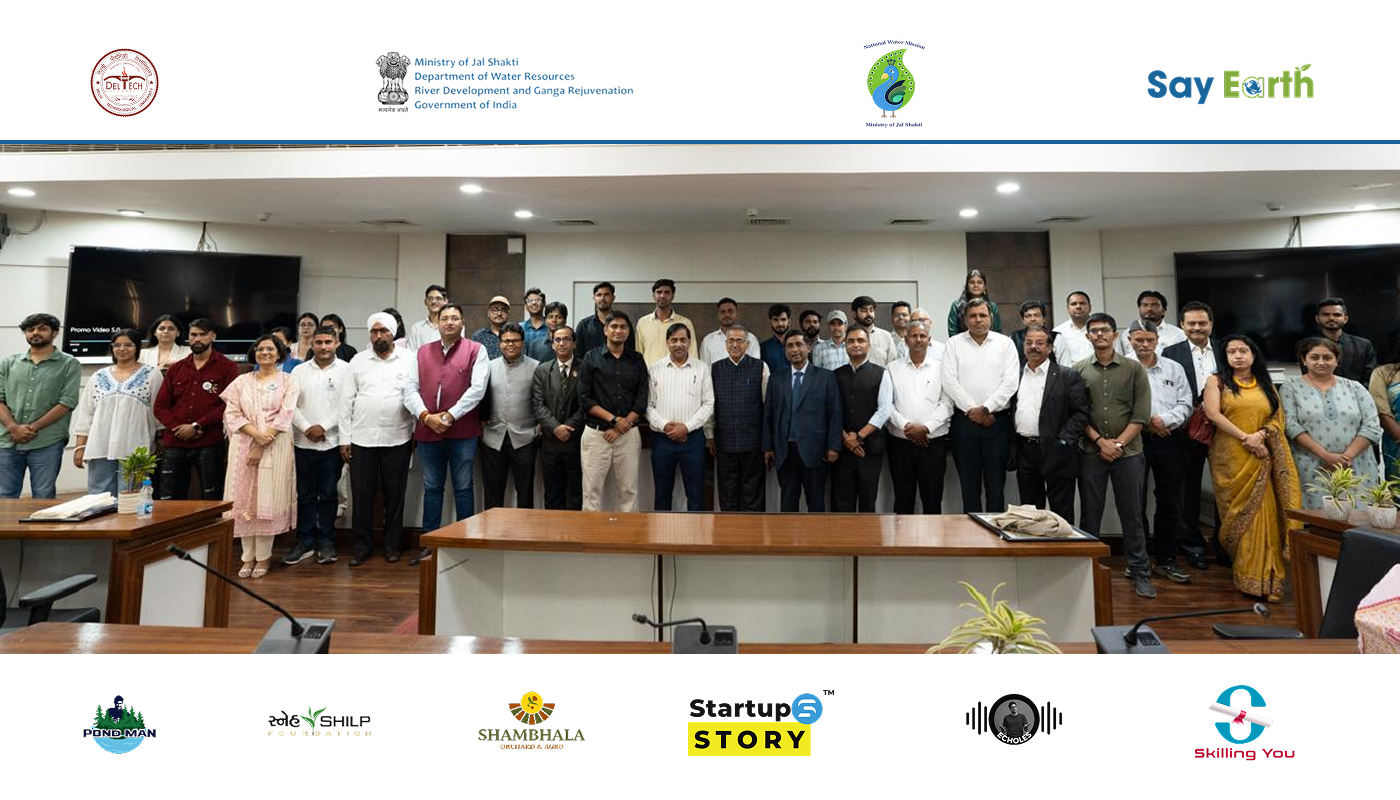
Neer Dialogue 1.0, held on March 24, 2026, at Delhi Technological University (DTU), New Delhi, brought together policymakers, academicians, industry experts, and practitioners to address one of the most pressing challenges of our time sustainable water management.
Organized by SIUA-DTU in association with Say Earth NGO, the seminar focused on the theme Water Management and Circular Economy: Building a Sustainable Future. The event aimed to shift the conversation from conventional water usage models toward a more regenerative and circular approach.
In the context of rapid urbanization, climate variability, and increasing water stress, the dialogue emphasized the urgent need to move beyond the traditional “extract, use, discharge” model and adopt systems that promote reuse, recycling, and long-term sustainability.
Inaugural Session: Setting the Tone for Collective Action
The seminar commenced with a formal inaugural ceremony, including the National Anthem and ceremonial lamp lighting, symbolizing collective responsibility toward environmental sustainability. The session was marked by the presence of distinguished dignitaries and experts, including international representatives, which reinforced the global relevance of the discussion.
A key highlight was the address by Ms. Roop Avtar Kaur (IFS), who emphasized that water systems are at the forefront of climate resilience. She highlighted how increasing heatwaves, groundwater depletion, and irregular rainfall patterns are making it essential to adopt circular water practices in urban planning.
The session also included academic insights from DTU leadership, stressing the importance of bridging research with real-world implementation and encouraging interdisciplinary collaboration.
Global Perspectives: Learning from International Models
The seminar incorporated strong global perspectives through keynote sessions by international experts.
Kim Hor Toh presented insights on integrated water infrastructure and nature-based solutions, drawing from global models such as Singapore. His session highlighted the importance of aligning policy, technology, and community engagement to achieve sustainable outcomes.
Another key session by Yuval Chen from Israel focused on water management in arid regions. He emphasized precision, reuse, and efficiency, noting that nearly 90% of wastewater in Israel is treated and reused, demonstrating the potential of circular systems when driven by necessity and innovation.
Technical Panel Discussions: Bridging Systems, Policy, and Practice
Integrated Circular Water Systems and Net-Zero Cities
The first panel brought together experts from organizations such as NDMC, CPWD, and CPCB to discuss the implementation of circular water systems in urban India.
A key focus was the Jal Samagra Approach, which promotes a holistic view of water management, treating wastewater as a resource rather than waste. Discussions emphasized reducing non-revenue water losses, ensuring continuous water supply, and increasing the reuse of treated wastewater in sectors such as construction and landscaping.
The concept of transforming sewage treatment plants into “resource recovery centers” emerged as a key takeaway, highlighting the potential to recover water, energy, and nutrients.
Policy, Practice, and Public Health
The second panel shifted the focus toward governance, public health, and economic opportunities. Experts highlighted the growing role of CSR and ESG frameworks in driving water sustainability initiatives. The discussion also explored how water management can create opportunities for entrepreneurship in areas such as wastewater reuse and decentralized systems.
Insights from real-world applications, including water management practices in challenging environments like border regions, demonstrated the importance of planning, discipline, and adaptability.
Innovation and Ground-Level Solutions
Algae-Based Circular Water Systems
One of the key innovations presented was a microalgae-based solution that integrates with existing wastewater systems. This approach enables wastewater to be reused productively while also contributing to carbon capture and sustainable biomass production.
Rethinking Sewerage Management
Another important discussion focused on transforming Delhi’s wastewater system into a circular resource model.
The session highlighted current inefficiencies, including untreated sewage and low reuse rates, and proposed a more integrated approach using decentralized systems, advanced technologies, and IoT-based monitoring. The economic potential of wastewater reuse was also emphasized, particularly in non-potable sectors such as construction and horticulture.
Voices from the Field: Grassroots Impact
A significant part of the seminar focused on real-world implementation through community-driven initiatives.
Individuals working at the grassroots level shared their experiences in water conservation, pond restoration, and sustainable agriculture. These included efforts such as building micro-check dams, reviving traditional water bodies, and integrating aquaculture with sustainability practices. These stories highlighted that effective water management is not just policy-driven, but also deeply rooted in community participation and local action.
Audience Engagement and Additional Highlights
The seminar also included interactive elements such as a community quiz, which encouraged participants to engage with the topic of water conservation in a practical and relatable way.
A cultural performance by DTU’s music society added an emotional dimension to the event, reinforcing the connection between environmental responsibility and national commitment. Overall, the audience engagement reflected a mix of academic learning, practical insights, and interactive participation, making the experience both informative and immersive.
Key Takeaways and Way Forward
The event concluded with a strong emphasis on action and collaboration.
Key recommendations included aligning policies with circular water practices, promoting decentralized treatment systems, and strengthening community engagement through organizations such as Say Earth NGO. The overarching message was clear achieving water sustainability requires coordinated efforts across government, industry, academia, and communities.
Neer Dialogue 1.0 positioned itself not just as a one-time seminar, but as the beginning of an ongoing movement toward building resilient, circular, and sustainable water systems for the future.
Also Read

Follow Startup Story


Related Posts