Unilever and L’Oréal Ride the Wave of India’s E-commerce Boom
- ByStartupStory | October 27, 2025
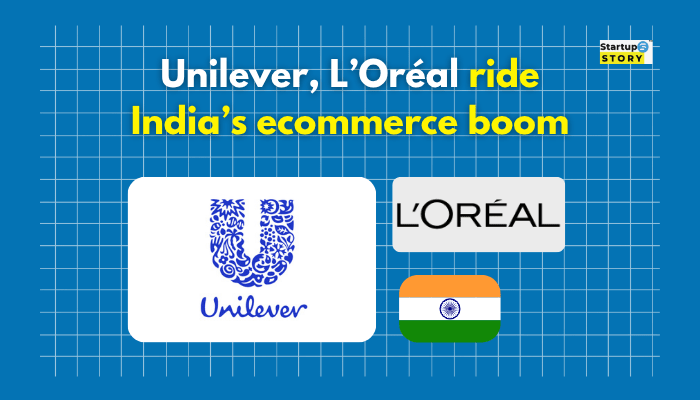
India’s e-commerce sector continues its meteoric rise, fueled by expanding internet connectivity, rising disposable incomes, and a rapidly growing digital consumer base. Against this backdrop, global FMCG giants Unilever and L’Oréal are effectively capitalizing on India’s booming online market to increase their footprints, capturing significant market share and deepening consumer engagement.
Both companies, long-established leaders in personal care and beauty, are transforming their approach by embracing digital-first strategies, expanding product assortments tailored for online shoppers, and leveraging data-driven marketing to sharpen targeting. As the fastest-growing FMCG sales channel in India, e-commerce is proving to be a critical growth lever for Unilever and L’Oréal in the world’s second-largest internet economy.
The Surge of India’s E-commerce Market
India’s e-commerce market is projected to reach $200 billion by 2026, growing at a CAGR of over 25%. Key drivers include increasing smartphone penetration, expanding rural online participation, affordable data plans, and innovative payment methods like UPI. Categories like beauty and personal care rank among the top sellers, benefiting from consumers’ willingness to explore new products, online-exclusive launches, and subscription models.
This digital shift has upended traditional distribution models, pushing brands to rethink how they engage consumers directly on platforms like Amazon India, Flipkart, Nykaa, and specialized regional marketplaces. Both Unilever and L’Oréal are navigating this shift adeptly, embracing omni-channel approaches that integrate online and offline touchpoints.
Unilever’s Digital Transformation in India
Unilever India, home to iconic brands such as Dove, Lux, Pond’s, and Sunsilk, has consistently positioned e-commerce as a strategic priority. With digital sales surging annually at triple-digit rates, the company has invested heavily in fortifying its online presence.
Key pillars of Unilever’s India e-commerce strategy include:
-
Tailored product ranges: Launching exclusive SKUs and bundles optimized for online consumption, often with localized appeal catering to regional preferences and price sensitivities.
-
Direct-to-consumer platforms: Investing in proprietary digital storefronts to deepen customer relationships and gather first-party data for personalized retention campaigns.
-
Data and AI analytics: Deploying sophisticated data models to mine shopper insights, anticipate trends, and optimize inventory and pricing dynamically.
-
Collaborations with marketplaces: Partnering closely with key platforms on targeted marketing campaigns, flash sales, and influencer engagements to boost brand discovery and conversion.
This data-driven digital pivot has enabled Unilever to steadily capture a larger slice of India’s hyper-competitive beauty and personal care online market, significantly outpacing many traditional FMCG players’ growth rates.
L’Oréal’s Focus on Premium and Digital-Native Consumers
Meanwhile, L’Oréal India has carved a niche by focusing on the premium beauty segment, where urban, millennial, and Gen Z customers are avid online shoppers. Brands under its umbrella, such as L’Oréal Paris, Garnier, Maybelline, and Kiehl’s, are household names online, supported by well-executed digital marketing and experiential campaigns.
Some key factors in L’Oréal’s e-commerce success in India include:
-
Omni-channel integration: Seamlessly combining online product discovery with offline experiential events, pop-up stores, and salons to create immersive brand experiences.
-
Localized content and influencer marketing: Engaging diverse communities via vernacular content, regional influencers, and beauty experts to build authenticity and trust.
-
Sustainability-driven offerings: Responding to growing eco-consciousness by promoting clean beauty ranges and transparent ingredient sourcing, resonating with India’s aspirational youth.
-
Cutting-edge tech adoption: Leveraging AR technology for “virtual try-ons” and AI-driven beauty consultations, reducing friction and enhancing purchase confidence.
L’Oréal’s ability to marry technology with premium brand equity resonates strongly with India’s digitally savvy consumers looking for luxury beauty and wellness solutions.
Competitive Advantages and Growth Outlook
The competitive advantages for both Unilever and L’Oréal stem from their extensive product portfolios, strong brand recognition, deep consumer insights, and global best practices adapted for local contexts. Their experienced supply chains and funds devoted to marketing innovation underpin their leadership in a fast fragmenting market with multiple players vying for consumer wallet share.
Experts forecast that these companies will continue to outpace the average growth of India’s beauty and personal care e-commerce segment, fueled by their investments in technology-driven personalization and expanding offline-online synergies.
Challenges and Opportunities Ahead
Despite robust growth, challenges persist. Intense competition from local startups and pure-play digital brands is driving down customer acquisition costs, requiring constant innovation to retain market share. Price sensitivity and counterfeit risks in online marketplaces also pose risks to brand reputation and margins.
However, opportunities abound. Rising rural penetration opens untapped consumer segments, while increasing acceptance of male grooming and wellness products expands addressable markets. Customizing offerings for these diverse segments using AI and data analytics will be critical.
Regulatory dynamics related to e-commerce, data privacy, and cross-border trade will also require adaptive strategies. Both companies are likely to increase partnerships with fintech and digital utility platforms to ease payment and delivery challenges, further integrating themselves into India’s digital ecosystem.
Conclusion
Unilever and L’Oréal’s success stories in India’s e-commerce boom highlight a broader transformation in how global FMCG players engage today’s consumers. By blending deep local knowledge, cutting-edge technology, and agile marketing, they are capitalizing on India’s digital revolution to drive sustainable growth and enrich consumer choice.
As consumer shopping habits evolve, the race to innovate faster, connect personally, and deliver joy in care and beauty products will remain central. For India’s e-commerce and FMCG industry, Unilever and L’Oréal stand as leading examples of embracing the future confidently while respecting the past.
Follow Startup Story


Related Posts