OpenAI Reported to Develop AI Tool for Generating Music from Text and Audio
- ByStartupStory | October 27, 2025
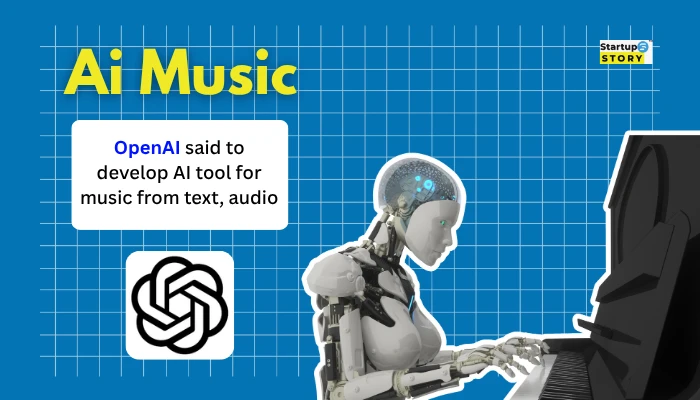
OpenAI, the celebrated leader in artificial intelligence innovation, is making headlines yet again—this time with reports suggesting the company is developing an advanced AI tool capable of generating music from text prompts and audio cues. In an era when generative AI is revolutionizing media and entertainment, this development could be a game-changer for creators, artists, streaming platforms, and the music industry at large.
Bridging Creativity and Technology
The prospect of producing high-fidelity music from simple descriptions or audio samples merges two complex realms—natural language processing and audio synthesis. While AI-powered image and text generation have become mainstream, music creation has posed unique challenges due to its rich emotional dynamic, variable structures, and intricate layering.
Sources familiar with the project indicate that OpenAI’s upcoming tool aims to empower users to create original compositions by inputting text instructions (“upbeat jazz for a morning walk,” “cinematic orchestral soundscape,” etc.) or by uploading snippets of melodies or instrumentals as inspiration.
Experts say this leap could democratize music production, allowing novices, marketers, and non-musicians to produce bespoke soundtracks without needing advanced musical training or access to costly studio resources. For professional musicians and content studios, the technology promises increased productivity for demo tracks, background scores, and creative experimentation.
AI in Music: The Current Landscape
AI-generated music is not entirely new. Early experiments have seen platforms like Google’s AudioLM and startup ventures such as AIVA and Amper Music provide algorithmically composed tracks for games, ads, and video content. However, these tools have often been limited in genre, fidelity, and user control.
OpenAI’s rumored offering is expected to take text-to-music and audio-to-music synthesis to the next level, with intuitive interfaces and the ability to interpret nuanced emotional requests, stylistic variations, and layered genres.
According to industry observers, the underlying technology likely leverages vast datasets of annotated music, paired with sophisticated deep learning models. The system decodes instructions from text—mood, tempo, instrument choice, genre—and ideally remixes or crafts output that matches both the descriptive and acoustic intent provided by users.
Creative Potential and Industry Implications
For content creators, filmmakers, advertising agencies, and the gaming sector, automated music generation could dramatically reduce costs and turnaround times for custom audio. Brands may be able to craft signature tunes tailored for specific audiences, moods, or campaign settings with just a few lines of text.
Musicians could use AI-driven tools to prototype ideas rapidly, experiment with new cross-genre combinations, or push creative boundaries without being constrained by instrumental access or personnel. Educational institutions and hobbyists may find new avenues for learning, remixing, and sharing music collaboratively.
However, experts caution that while AI-generated tracks can augment human creativity, they are unlikely to fully replace original artistry, nuanced composition, and live performances. Leading audio engineers point to the importance of emotional intelligence, improvisation, and cultural context in authentic music—traits that current AI still finds challenging to emulate at a deep level.
Ethical and Legal Considerations
The rise of generative audio brings forth serious discussion about copyright, originality, and fair use. If an AI tool produces music influenced by existing compositions, questions arise about intellectual property, royalties, and transparency for creators.
OpenAI, which has faced similar questions with tools like DALL·E and ChatGPT in visual and textual domains, is expected to embed rigorous compliance and moderation features. This may include content filtering, flagging for copyright collision, and clear disclosures regarding how AI-generated tracks can be used commercially or shared on public platforms.
Policy advocates are urging industry players to establish clear guidelines for AI in music, ensuring artists’ rights are protected while nurturing innovation and accessibility.
Looking Ahead: What’s Next for AI Music Creation?
While OpenAI has not formally announced a launch date or feature set at the time of this report, insiders suggest that the tool may debut as an API or web platform, with initial trials targeting media professionals, independent musicians, and digital content producers.
The technology may also integrate with popular audio editors, streaming apps, and social platforms, giving users the ability to generate, share, and co-create music instantly.
If successful, OpenAI’s advancement could reshape how music is conceived, produced, and distributed—potentially lowering entry barriers and sparking fresh waves of creative output worldwide.
As the boundaries of generative AI continue to expand, the intersection of art and algorithm stands poised for a landmark transformation—where the synergy between human inspiration and machine intelligence could redefine what’s possible in music for generations to come.
Follow Startup Story


Related Posts