
Japan’s Resonac may invest in China as chip industry surges
- ByStartupStory | December 17, 2025
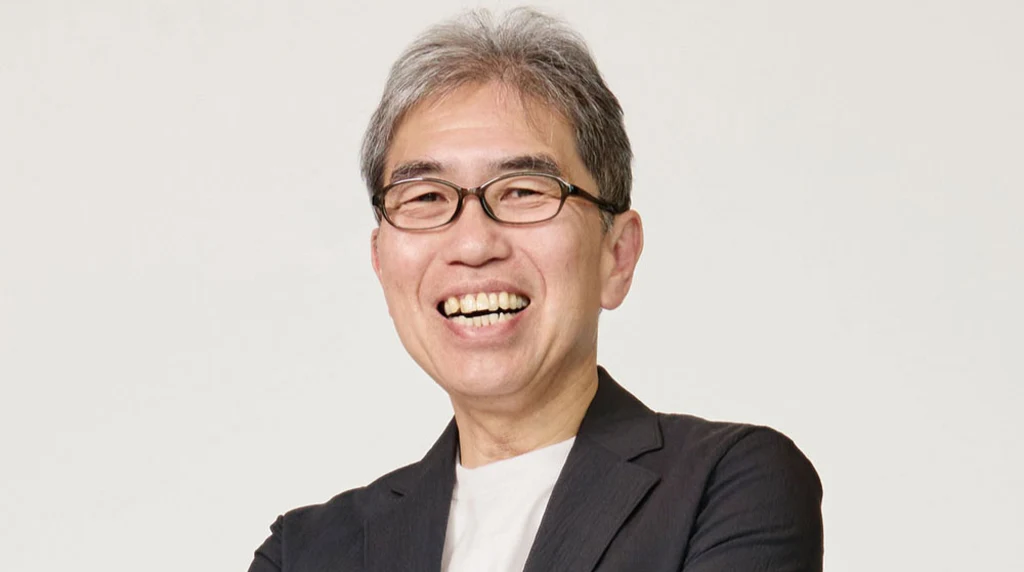
Japan’s Resonac Holdings is poised to increase investments in China, capitalizing on Beijing’s aggressive push for semiconductor self-sufficiency that is fueling explosive demand for advanced chip materials.
Tapping China’s AI Semiconductor Surge
Resonac, a leading supplier of critical semiconductor chemicals and materials, has already ramped up production capacity at its Chinese facilities to meet surging needs from the country’s state-driven chip ecosystem build-out. CEO Hidehito Takahashi noted that while current capacity suffices for now, the company stands ready for another investment round in a few years if growth sustains, especially as China considers injecting up to $70 billion in fresh state funds into semiconductors.
The firm commands dominant global market shares in essential products like non-conductive films for high-bandwidth memory (HBM) packaging—holding around 50% worldwide—and thermal interface materials vital for AI accelerators and high-performance chips. China’s rapid deployment of AI data centers and homegrown GPU alternatives promises sustained mid- to long-term demand, particularly for advanced packaging solutions that enable power-dense computing.
Balancing Geopolitics with Growth
Resonac’s approach blends deeper China penetration with supply chain diversification to counter US export curbs and geopolitical tensions. New Chinese expansions target mature-node logic and packaging materials less vulnerable to restrictions, while key raw inputs like rare-earth derivatives are sourced globally to reduce single-country dependency.
This positions the Tokyo-based chemicals giant as a neutral linchpin in fragmenting supply chains, serving both US-led and China-centric blocs in the global AI hardware race.
Financial Momentum and Outlook
Resonac’s semiconductor and electronics materials division posted about ¥450 billion in 2024 revenue, cementing its status as the company’s primary growth engine per recent reports. Plans call for multi-fold capacity hikes in AI-grade materials via targeted capex, chasing a semiconductor market ballooning toward $800 billion by decade’s end on AI and high-compute tailwinds.
Takahashi views China’s ambitions as a “solid opportunity” but advocates measured, demand-confirmed investments over subsidy-fueled rushes. Resonac’s strategy—from drone-era roots to AI materials dominance—exemplifies Japan’s quiet mastery of chip-enabling chemistries amid the new tech cold war.

Follow Startup Story


Related Posts