MyGate, Backed by Tiger Global, Cuts 30% of Its Workforce
- ByStartupStory | February 20, 2023
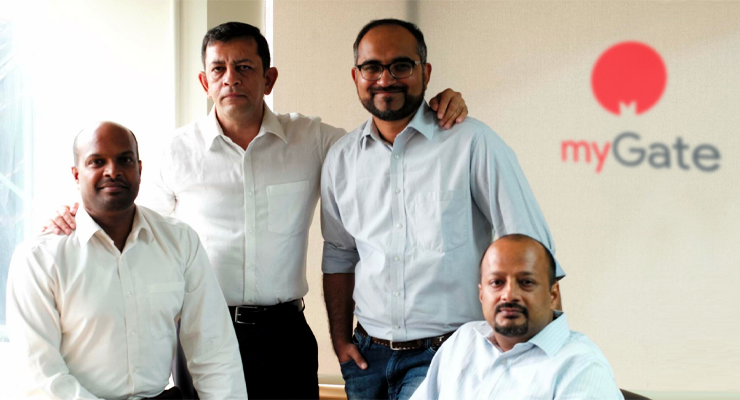
Bengaluru’s MyGate, a software provider for apartment management, reportedly laid off 30% of its employees across various cities in a recent round of layoffs, according to multiple sources. The company, which is backed by Tencent Holdings and Tiger Global, had reportedly laid off a comparable percentage of its workforce in December 2022.
MyGate currently has 400 employees, down from its previous employee count of almost 600, following the recent round of layoffs, as per sources. Some workers were offered two months of severance pay, while others did not receive any. The layoffs mainly impacted mid-level and junior-level workers in the ground operations and community engagement platform departments.
According to a company spokesperson, MyGate is actively expanding its teams in certain areas and performing well despite recent layoffs. The spokesperson stated that the company maintains a high-performance culture and sometimes lets go of workers who are not a good fit or if circumstances require it.
MyGate, founded in 2016 by Vijay Arisetty, Shreyans Daga, and Abhishek Kumar, has raised close to $80 million through multiple funding rounds, according to data from Tracxn. In November 2022, the company secured $12.2 million in a Series B funding round with Acko, an insurance firm, and Urban Company, a local services platform, as the lead investors. The company was valued at $195 million after the funding. In December 2021, MyGate acquired MyCommunity Genie, a Bengaluru-based community commerce platform, in a cash and equity deal.
MyGate’s mobile app not only manages visitor and delivery personnel access for apartment residents but also includes SaaS tools for staff attendance, complaint management, maintenance payments, and communication services for resident welfare associations. The app also offers advertising space for brands and sends push notifications to residents. In the market, MyGate faces competition from companies such as ADDA, formerly known as ApartmentAdda, and ApnaComplex, which was acquired by Anarock Property Consultants.
NoBroker, a proptech unicorn, also provides a security management SaaS platform for apartments called NoBrokerHood, which is similar to MyGate’s offering. The competition in the apartment management sector is fierce as companies race to secure the most significant number of apartment complexes, resulting in a challenge to monetize their SaaS platforms. As a result, many players, including MyGate and NoBrokerHood, offer their SaaS platform for free to residents as a cross-selling opportunity. MyGate claims to have over 25,000 communities in India using its services.
Seattle-based ethnic wear brand Shobitam has announced its acquisition of apparel brand House of Blouse to expand its product offerings. The financial details of the deal have not been disclosed. Shobitam, which was founded in 2019 by Aparna Thyagarajan and Ambika Thyagarajan, is a thriving direct-to-consumer (D2C) platform for ethnic fashion, serving customers in more than 40 countries. The brand offers a wide range of products, including sarees and accessories.
According to Aparna Thyagarajan, the co-founder of Shobitam, the acquisition of apparel brand House of Blouse will enhance their customer experience and offer a wider variety of unique products. Shobitam has received a funding of Rs 12 crore (approximately $1.5 million) from Hearth Ventures and angel investor Girish Laxman. On the other hand, House of Blouse, which sells sarees and tailored blouses on its website, asserts that it ships globally.
Roopa Reddy, the co-founder and creative head of House of Blouse, expressed excitement about the acquisition and the opportunity to expand beyond blouses and tap into the solid customer base that Shobitam has already built in different countries.
In recent times, there has been an increased interest in the D2C space by large conglomerates, as previously reported by VCCircle. Investment bankers and investors suggest that buying out D2C brands is becoming more attractive to large conglomerates amidst a funding crunch for unprofitable startups. This trend has been growing over the past few years and is expected to accelerate in 2023, particularly for startups that require capital to stay afloat.
Follow Startup Story


Related Posts