Insurtech Firm Ensuredit raises $4.2M in Pre-Series A funding
- ByStartupStory | July 5, 2022

The US-based embedded insurance insurtech company Cover Genius led a $4.2 million pre-Series A funding round for the Gurugram and Bengaluru-based insurtech company Ensuredit. Leading investors like 9Unicorns, NexStep Discovery, CP Ventures, Venture Catalysts, and IPV took part in the investment round. In addition to the new investors, previous investors also took part in the most recent round.
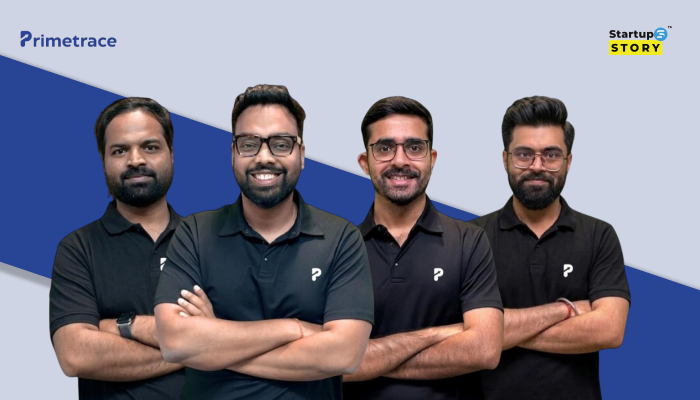
Amit Boni, Rohit Sadhu, and Vikas Ranga founded Ensuredit in 2019 with the goal of collaborating closely with insurance distributors (brokers, NBFCs, banks, etc.) to improve their recruitment and productivity of sales forces as well as their ability to onboard more insurance manufacturers and channel partners.
Amit Boni stated “We are passionate about providing the insurance business with cutting-edge technology and digitization solutions, with a special focus on insurance intermediaries and distributors. We want to equip them with the technology necessary to achieve the industry’s objective of providing insurance to every Indian. Beginning with the digitization of retail insurance journeys, Ensuredit later transitioned to microinsurance and sachet-sized solutions, which are similar to group insurance-led products. The platform is getting a lot of additional channels and insurance categories, according to Amit.

The business intends to include OEMs and motor insurance service providers (MISP) to its playbook. Other insurance player categories, including those in commercial lines of insurance, are also expected to join after the addition of MISP and OEMs, which will go online in August. The client journey will be simplified by Ensuredit’s deployment of more context-relevant artificial intelligence, machine learning, and computer vision-based technologies.
The business claimed to be developing a computer vision-based solution to sabotage the digital insurance revolution. When an insurer fails to renew coverage, the vehicle must be surveyed by the surveyor, which is known as a break-in in the insurance industry. As a result, the digital process is broken since it becomes offline.
Amit claims that because break-ins occur in 30 to 40% of vehicle insurance renewal situations, it is crucial to find a solution. “We’re leveraging computer vision to develop break-in solutions so that the system and the process can still be totally digital. As a result, the insurer will be able to travel the entire distance digitally without stopping,” said Amit.

Follow Startup Story


Related Posts