Delhi High Court Rejects Rario’s NFT Petition Against Striker, Supported by MPL
- ByStartupStory | April 27, 2023
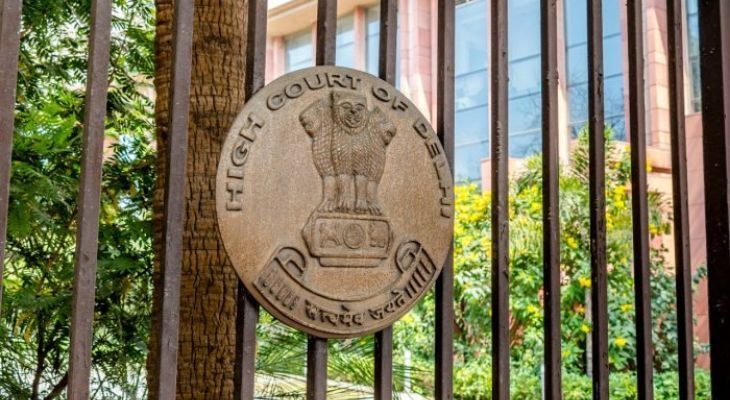
The Delhi High Court has declined to provide an interim injunction on the petition filed by Rario, a Dream Capital-backed NFT platform, against Striker, a web3 platform supported by Mobile Premier League (MPL). Rario requested that Striker be prohibited from using NFTs of cricketers who have granted exclusive usage rights to Rario. However, the court noted that the information utilized by Striker, which includes the player’s name and data on their real-world match performance, is easily accessible in the public domain and can be utilized by anyone. As a result, the court concluded that Striker is not using any personal information that is not in the public domain.
The Delhi High Court has stated that publicly available information cannot be owned by anyone, including players, and cannot be the subject of an exclusive license to a third party. The court denied an interim injunction and scheduled the case before the Delhi High Court’s joint-registrar for the completion of pleadings on July 10. In February, Rario had accused Striker and MPL of violating personality rights by using player art and identifiers, such as player names, to offer digital player cards. Rario claimed to have obtained exclusive licenses from nearly 170 cricketers.
Rario has claimed to have paid Rs 148.32 crore in the last year to acquire exclusive licenses and authorizations, which it used to support its plea against Striker and MPL. Cricketers, including Harshal Patel, Shivam Dube, and Umran Malik, who have signed NFT agreements with Rario, have also supported the plea. Striker’s petition was backed by All India Gaming Federation (AIGF) and real-money gaming firm Winzo. According to AIGF, prohibiting the usage of particular player identifiers might harm the development of smaller businesses.
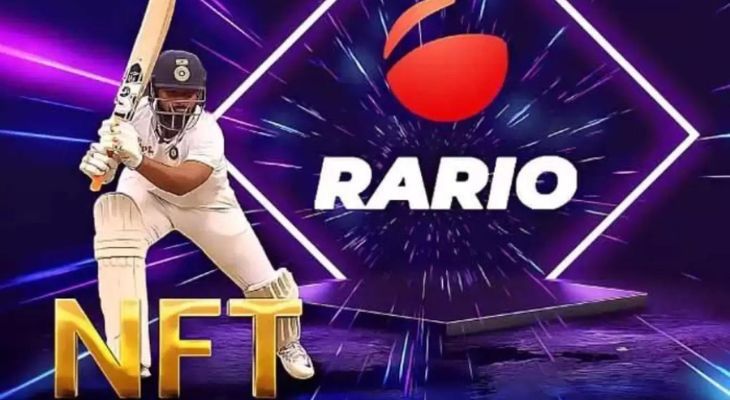
According to the 51-page order issued by the Delhi High Court, Rario’s claim is based on the misunderstanding that individuals require an athlete’s consent or authorization to use facts, information, images, and other materials needed to identify players for online fantasy sports (OFS) platforms. The court also highlighted that NFTs do not belong to any specific platform, and the platforms involved in the case only serve as NFT enablers.
Nitesh Jain, cofounder of Striker, expressed his gratitude to the Delhi High Court, stating that the ruling protects indie game developers who cannot afford expensive licenses and artists who use NFTs to make art out of public information and images. Jain also emphasized the benefits of using blockchain and NFT technology to ensure transparency and prevent fraud.
Calling all entrepreneurs, investors and business owners! The wait is finally over. The 2nd edition of Startup Story B2B Connect is back with a bang – and this time, we’re taking it up a notch. With more startups, more investors and bigger opportunities than ever before, this is your chance to connect, collaborate and take your business to the next level. Get ready for an unforgettable networking experience that’s set to change the game. Stay tuned for all the exciting updates! Register Now Here.
Follow Startup Story


Related Posts