
Ant Group founder Jack Ma will relinquish control in a crucial overhaul
- ByStartupStory | January 7, 2023

Jack Ma, the founder of Ant Group, will relinquish control of the Chinese fintech giant as part of a restructuring intended to put an end to the regulatory onslaught that began soon after Ant Group’s enormous public market launch was derailed two years ago.
When Ant’s $37 billion IPO, which would have been the biggest in history, was abruptly postponed in November 2020, the financial technology company was forced to restructure, and rumours circulated that the Chinese billionaire would have to relinquish control.
Although some analysts have suggested that giving up control could allow the business to restart its IPO, the revisions made by the group on Saturday are likely to cause further delay because of listing restrictions.
Companies must wait three years to list on China’s domestic A-share market following a change in control. The wait is two years on Shanghai’s STAR market, which is modelled after the Nasdaq, and one year in Hong Kong.
Ma, a former English teacher, had more over 50% of the voting rights at Ant before the revisions, but Reuters calculations show that his share will now just be 6.2%.
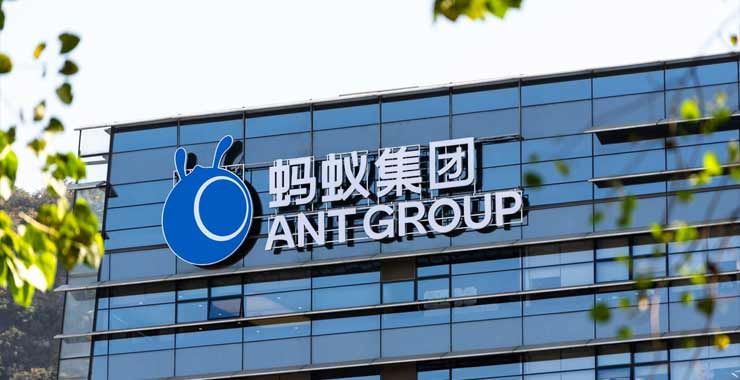
According to Ant’s IPO prospectus submitted to the exchanges in 2020, Ma only owns a 10% interest in Ant, a subsidiary of e-commerce behemoth Alibaba Group Holding Ltd (9988.HK), but has exerted control over the company through affiliated entities.
According to the prospectus, Ma’s investment vehicle Hangzhou Yunbo had control over two more corporations that together own a 50.5% share in Ant.
Ma’s decision to give up control of Ant comes as the company is almost finished with a two-year regulatory-driven restructuring and is facing a fine of more than $1 billion from Chinese authorities, according to a November report from Reuters.
The anticipated fine is a component of Beijing’s extensive and unprecedented crackdown on the nation’s technological giants over the previous two years, which has reduced their value by hundreds of billions of dollars and reduced their sales and earnings.
However, in recent months, Chinese authorities have toned down their digital crackdown in a bid to support a $17 trillion economy that has been severely harmed by the COVID-19 outbreak.
“With the Chinese economy in a very febrile state, the government is looking to signal its commitment to growth, and the tech, private sectors are key to that as we know,” said Duncan Clark, chairman of investment advisory firm BDA China.
“At least Ant investors can (now) have some timetable for an exit after a long period of uncertainty,” said Clark, who is also an author of a book on Alibaba and Ma.

Follow Startup Story


Related Posts