
The hydrogen revolution in the skies
- ByStartupStory | September 27, 2021
A catchphrase for the transition to a low or zero-carbon economy is “electrify everything” – that is, create a world in which most human activities, from manufacturing and construction to transport and tourism, run on electricity generated from low or zero-carbon sources such as wind, solar and perhaps nuclear power. But there is a problem: some sectors look to be hard if not impossible to electrify in the near and medium-term, and aviation is, perhaps, foremost among them.
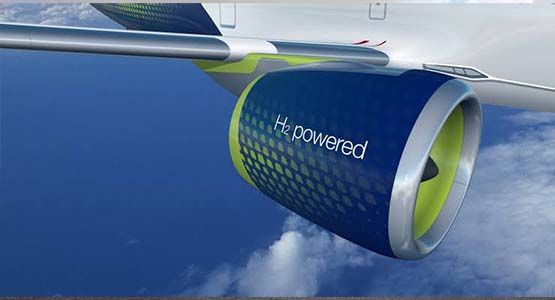
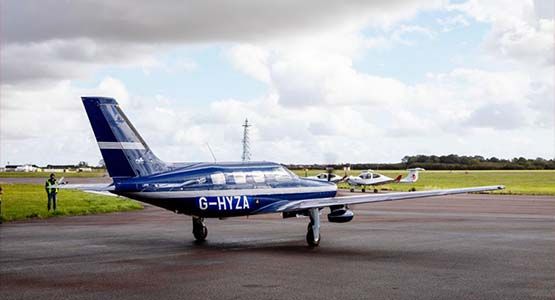
Airbus outlined plans to bring a hydrogen-powered passenger plane to the general public by 2035, showcasing three potential designs. The largest model could carry 200 passengers up to 2,000 nautical miles. Also, UK-based scale-up Zero Avia completed the first flight of a commercial-grade, hydrogen-powered plane. The model can only carry six passengers but there are hopes the technology could be scaled up; the Government recently allocated £12.3m to help the development of a 19-seater model.
However, there is the question of whether hydrogen can be produced at scale and at a competitive price without itself having a large carbon footprint. For now, one thing remains almost certain: hydrogen and E fuels are likely to continue to be substantially more expensive than conventional jet fuel for years or decades to come, limiting their role in greening aviation – unless the other costs of aviation come to be weighed differently.
Follow Startup Story


Related Posts