
272 g of e-waste per transaction on an average: Study highlights Bitcoin’s growing e-waste problem
- ByStartupStory | September 22, 2021


The sustainability of Bitcoin, a digital currency is being called into question due to its increasing energy consumption. However, so far most studies have ignored that Bitcoin miners cycle through a growing amount of short-lived hardware that could exacerbate the growth in global electronic waste. E-waste represents a growing threat to our environment, from heavy metals and toxic chemicals leaching into soils to water and air pollution caused by improper recycling, the situation is worsening each day. Economists from the Dutch central bank and MIT in the journal Resources, Conservation and Recycling, in a new study, highlight that a single Bitcoin transaction generates 272 grams of e-waste.
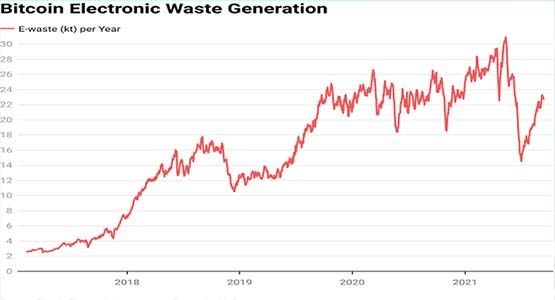
They further added that “The lifespan of Bitcoin mining devices remains limited to just 1.29 years,” the authors said. “The soaring demand for mining hardware may disrupt global semiconductor supply chains.” According to Statista.com, Bitcoin’s total e-waste production is still only 0.11% of the global estimate. However, the fact that platforms like Ethereum and Cardano have been cutting energy consumption by as much as 99% could make statistics like this troublesome for the world’s most valuable cryptocurrency.


Follow Startup Story


Related Posts