
Micro Mobility Startup Voi Raises $45 Million
- ByAyushi Ray | August 6, 2021

Micro Mobility startup Voi raises $45 million to end sidewalk riding. Voi, last month launched a pilot in Northampton, UK with Irish startup Luna to test how computer vision technology might be used to solve parking and sidewalk riding issues, and the funding comes in at the right time. The spending will include “pioneering the use of computer vision software to prevent pavement riding,” according to a statement released by the company. They hope to use the funding in researching and developing technologies that would improve safety, and keep users from riding on sidewalks while ensuring parked spaces for scooters. “We are leading the way in that technology – we want to embrace that technology, like Luna, to make available next year on our fleet for the masses,” a spokesperson for Voi told TechCrunch, who also noted the company is open outfitting its e-bikes with computer vision technology.
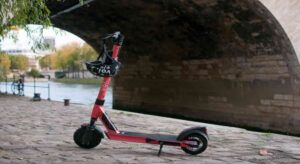
Voi already has scooters in 70 cities across the U.K. and Europe, and is aiming to expand. A technology that will solve parking issues, increase safety and sidewalk clutter is being viewed by Voi as key to winning city partnerships and maintaining the ones it already has. Voi is also using the funds to work on the sidewalk parking problem by adding physical parking racks. On Wednesday, Voi installed 100 parking racks in Stockholm in agreement with the city. Voi already has over 300 physical parking racks in the UK. Voi uses a swappable battery system that’s popular with other operators like Lime and Spin, which means the racks are just there for keeping scooters out of the public right of way. Voi says having physical racks will help “create a sustainable service for cities and the people living in them.” A spokesperson of the company said in a statement they are quite happy with the progress made till now and are exploring its own proprietary technology, which could include acquiring Luna. Although there has been no acquisition, Voi is also investing in its next generation scooter. It’s possible that the next vehicle comes with computer vision built in, rather than retro-fitted to the stem.

Follow Startup Story


Related Posts