This Hyderabad-based startup is the brains behind the airport check-in app DigiYatra
- ByStartupStory | February 3, 2023
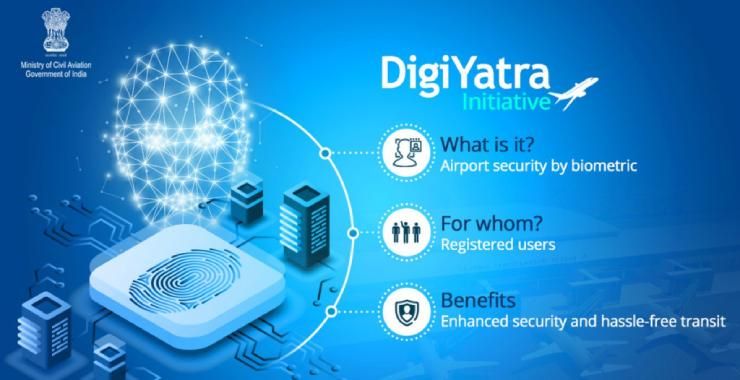
DigiYatra, a contactless facial recognition-based aircraft boarding system used at Delhi, Bengaluru, and Varanasi airports was created by Hyderabad-based startup Data Evolve Solutions, according to the civil aviation ministry.
In response to a question, minister of state for civil aviation Gen (retd) VK Singh stated that Dataevolve Solutions was chosen through Niti Aayoog’s national start-up challenge as part of the Atal Innovation Mission.
The government is hailing DigiYatra as the future of air travel because it provides touchless passenger validation via facial recognition, saving time at various touch points such as airport entry, security hold area, and boarding area with no intervention from security personnel.
Dataevolve is an Amazon Web Services (AWS) partner that assisted in the migration of three Telangana government departments’ workloads to AWS: Aarogyasri Health Care Trust, Greater Hyderabad Municipal Corporation, and the IT department. According to its website, it is also collaborating with Andhra Pradesh and created its current e-challan system.
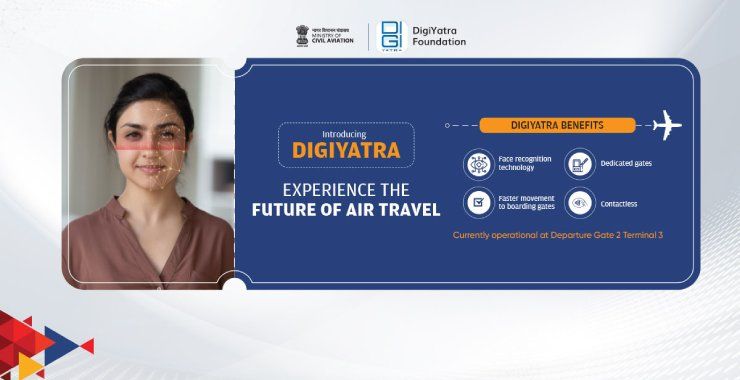
Singh also informed Parliament that DigiYatra will be introduced at airports in Kolkata, Pune, Vijayawada, and Hyderabad by March 2023.
Previously, civil aviation minister Jyotiraditya Scindia stated that Digi Yatra passenger data would be saved in an encrypted format in a decentralised manner. On February 2, Singh reiterated that the data would be stored in a person’s wallet and shared with the destination airport for a limited length of 24 hours.
Last year, the government’s research tank, NITI Aayog, recommended the Centre to clarify how the information obtained by Digi Yatra will be used.
It also advised the government to use a bias-free facial recognition model, as this could lead to inaccurate judgements and, eventually, exclusion from access.
The introduction of Digi Yatra comes at a time when there is widespread concern about the use of facial recognition technology, particularly in terms of privacy, surveillance, discrimination, and digital divide.
It has frequently been stated that the country still does not have a data protection law in place to protect against the misuse of sensitive data such as biometrics.

Follow Startup Story


Related Posts