From Highways to Small Towns: How Karan Bapna is Building a Data Layer Over Bharat’s Invisible Economy with MyProfit
- ByStartupStory | April 2, 2026
Rethinking Where Real India Lives
In a startup ecosystem largely driven by urban convenience and digital-first consumers, a significant part of India continues to operate very differently. Beyond metros and tier-1 cities lies a vast network of small towns and rural markets where commerce is deeply rooted in offline behaviour, cash transactions, and trust-driven relationships. These markets are active and growing, yet remain largely invisible to structured systems and modern businesses. This is the space Karan Bapna is building for.
A Different Kind of Beginning
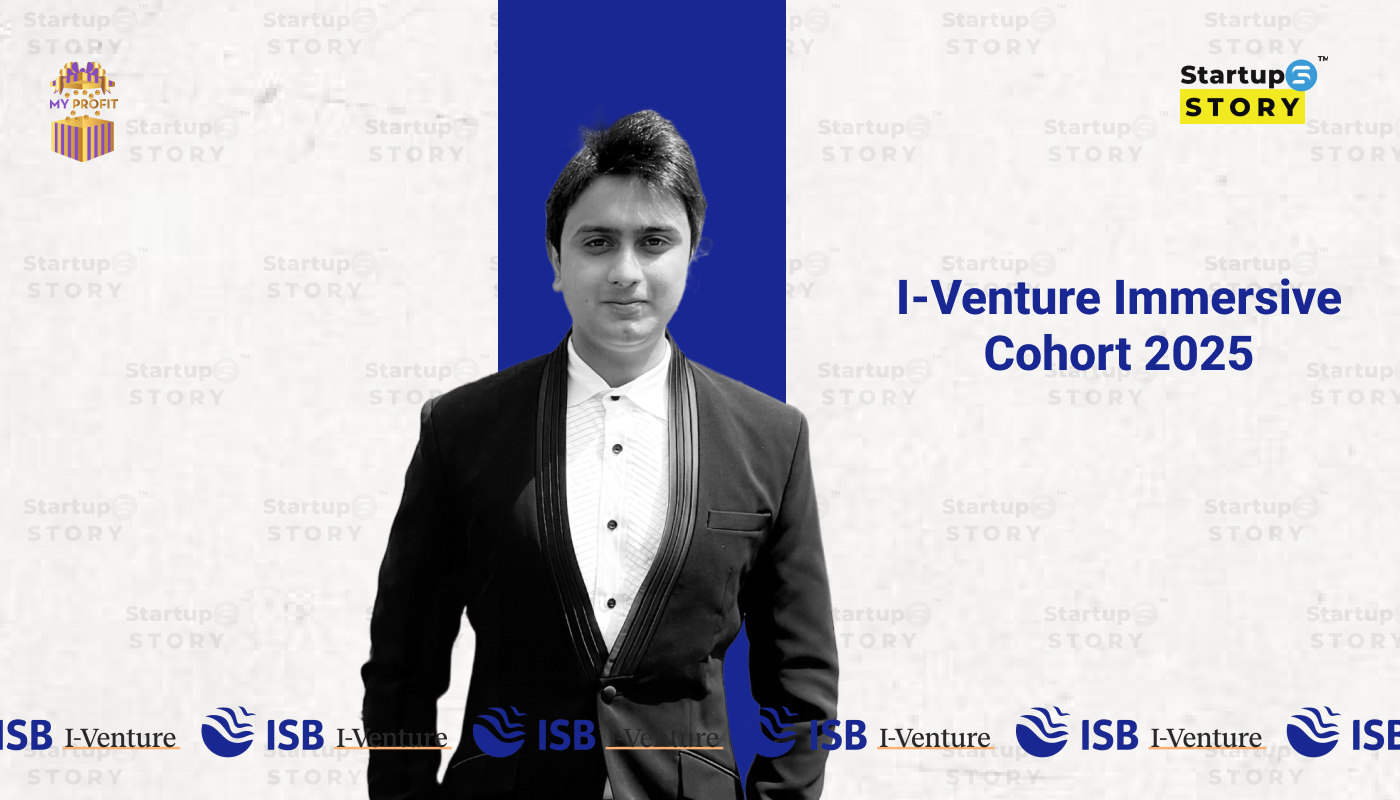
Karan Bapna, a 24-year-old founder from Bhopal, is building MyProfit, a platform designed to organise and unlock value from Bharat’s offline economy. His journey didn’t begin with a clear startup roadmap. After completing his schooling at DPS Bhopal, he initially got into one of India’s top colleges but made an unconventional decision within a month, dropping out, switching colleges, and eventually returning home.
Instead of pursuing a traditional degree, he chose to prepare for professional finance certifications like FRM and CFA. However, the pandemic disrupted those plans, delaying exams for over a year. What could have been a pause became a turning point.
Learning from the Ground, Not the Screen
At the age of 20, while most were navigating uncertainty during COVID, Karan chose to step out. His first idea was to digitise highway dhabas for truck drivers. To validate this, he travelled across multiple states, interacting with over 1,000 dhaba owners over several months.
This phase led to a key realisation. The dhaba model was not scalable. But the insights he gathered during this journey shaped everything that followed.
Discovering the Real Opportunity
While travelling, Karan observed a much larger pattern. The real opportunity wasn’t just on highways, but in small towns where entire ecosystems run through local retailers such as kirana stores, clothing shops, and service providers. These towns, often with populations between 10,000 and 1 lakh, form a large but under-structured consumption economy. Despite strong demand, large platforms struggle to operate here due to unit economics and logistical constraints. This gap led to the foundation of MyProfit.
Building MyProfit from Scratch
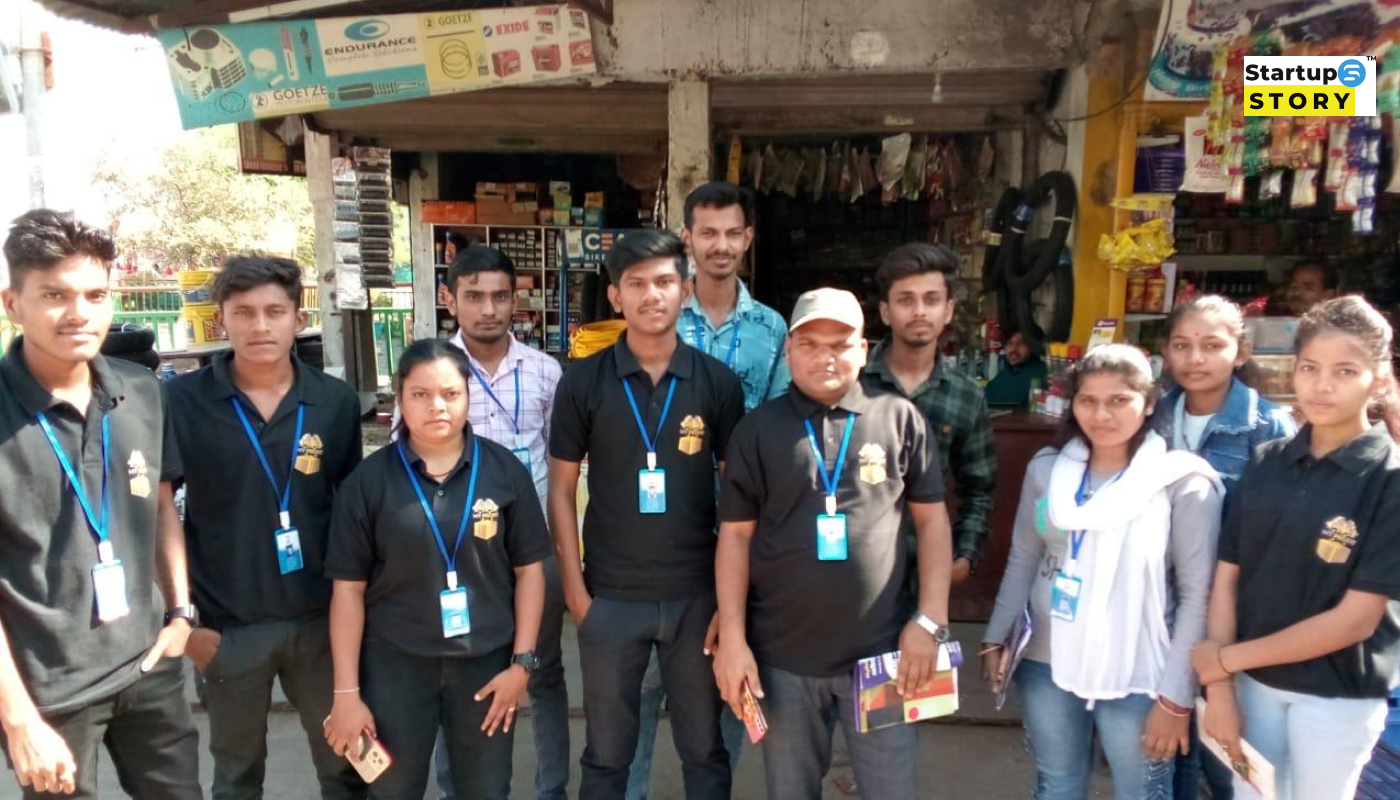
Karan began working closely with local retailers, spending months understanding how people buy, spend, and make decisions. It took nearly a year of on-ground work to build the first version of MyProfit. The journey involved multiple pivots, each driven by real behaviour rather than assumptions.
Today, MyProfit operates as a digital layer over offline markets, capturing transactions and creating structured visibility where none existed before. It is also among a select group of startups in India to be backed by JITO JIIF and the Indian School of Business (ISB), reflecting early institutional confidence in its model and execution.
The “Black Box” of Bharat’s Economy
At its core, MyProfit addresses what Karan describes as a “black box” in the Indian economy. A large share of consumption in rural and small-town India still happens in cash or loosely tracked transactions, creating major challenges of visibility and access for businesses.
This gap between consumption and data is exactly what MyProfit aims to solve.
Building an Ecosystem, Not Just a Product
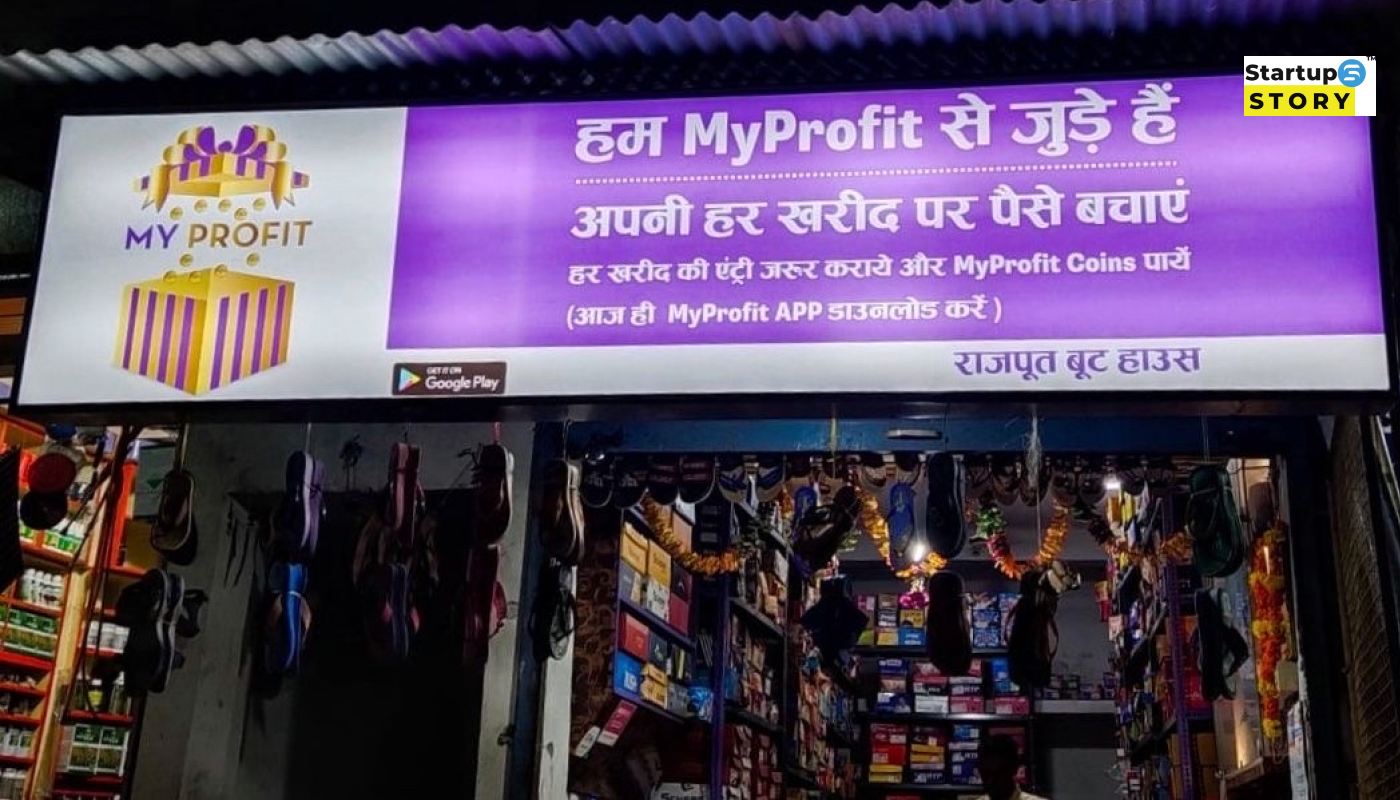
MyProfit works by creating a carefully curated network of partner retailers within a town. Instead of onboarding every store, the platform selectively collaborates with shops across key categories such as grocery, apparel, healthcare, and daily essentials, thereby building a structured and balanced ecosystem within the local market.
For retailers, the value proposition is clear and immediate. By becoming a MyProfit partner, they gain access to a consistent flow of customers driven through the platform’s incentive-led model, resulting in increased footfall, higher transaction volumes, and improved repeat business.
From the customer’s perspective, the experience is intentionally designed to remain seamless and familiar. They continue shopping from their preferred nearby stores, paying through cash or credit as they normally would, without any disruption to their existing behaviour. The only addition is that their transactions are recorded within the MyProfit system, enabling them to earn rewards and participate in ongoing offers.
This approach plays a crucial role in driving adoption, as it does not require users to change their habits or learn new systems. Instead, it integrates directly into their existing routines, ensuring scale without behavioural friction while gradually building engagement and loyalty within the ecosystem.
The Mahotsav Model: Cracking Rural Engagement
One of the most defining elements of MyProfit’s success has been its “Mahotsav” model. Unlike traditional reward systems or lottery-based schemes, MyProfit guarantees value. Customers subscribe for a small fee and receive tangible benefits that exceed their initial spend.
The impact of this model goes beyond transactions. When a customer receives a high-value reward, such as a bike or a household appliance, it becomes a community event. Word spreads across villages, building trust and driving organic adoption. This kind of visibility is not created through campaigns, but through real outcomes that people can see and talk about.
Over time, this has turned into a strong word-of-mouth engine for the platform. Each reward delivered reinforces credibility, strengthens trust, and brings more people into the ecosystem without the need for traditional marketing push.
Strong Adoption in a Small Town
MyProfit has been built and validated in Nasrullaganj, along with nearly 100 surrounding villages that depend on it as a central hub. The platform has reached close to 30,000 users, recorded over 25,000 app downloads, and drives approximately ₹30 lakh in monthly GMV.
At this scale, these numbers reflect deep integration into everyday economic activity. MyProfit is not just an application, but an active layer within the local ecosystem.
Beyond Rewards: Building Revenue and Data Layers
While rewards drive adoption, MyProfit operates with multiple revenue streams including subscriptions, local business marketing, and long-term data partnerships.
By capturing transaction-level insights, the platform is building a data layer that can unlock opportunities in credit, fintech, and targeted distribution. At scale, this could enable banks, NBFCs, and institutions to access structured insights into rural consumption.
Profitability and a Lean Model
MyProfit has achieved operational profitability at a city level, which remains rare for early-stage consumer platforms. Despite incentive-led programs, the business operates on a lean, technology-driven model where most processes are handled through the platform itself.
A single town can be managed with minimal manpower, allowing the company to balance low operational costs with strong engagement. This has enabled sustainable growth without relying heavily on external funding.
Scaling with a Clear Playbook
With a validated model, MyProfit is now preparing to scale. The company plans to expand into multiple towns by first building customer trust and then unlocking B2B opportunities once the ecosystem is established.
Over the next five years, it aims to expand across 700+ towns while reaching thousands of villages, with the larger goal of building a financial and data infrastructure layer for Bharat.
Building Trust Where It Matters Most
One of the biggest challenges in rural markets is trust. Building it takes time, consistency, and visible outcomes. Once established, however, it becomes deeply rooted.
Karan’s approach has always been grounded in understanding real behaviour and staying close to the market. His core belief remains simple: without understanding how people think and act, it is difficult to build anything meaningful for them.
Conclusion: Building Where Others Don’t Look
Karan’s journey stands out not just for what he is building, but how he chose to build it. Instead of relying on assumptions, he started with conversations and on-ground observation.
That approach led him to identify opportunity in places often overlooked, not because they lack potential, but because they lack visibility.
And perhaps that is what defines this journey most. Some of the largest opportunities are not the most visible ones, but the ones that are still waiting to be understood.

Follow Startup Story


Related Posts