
China’s Li Auto To Launch AI Smart Glasses For Its Vehicles
- ByStartupStory | November 30, 2025
Livis Glasses Debut December 3 As Best AI Accessory In Multi-Device Ecosystem
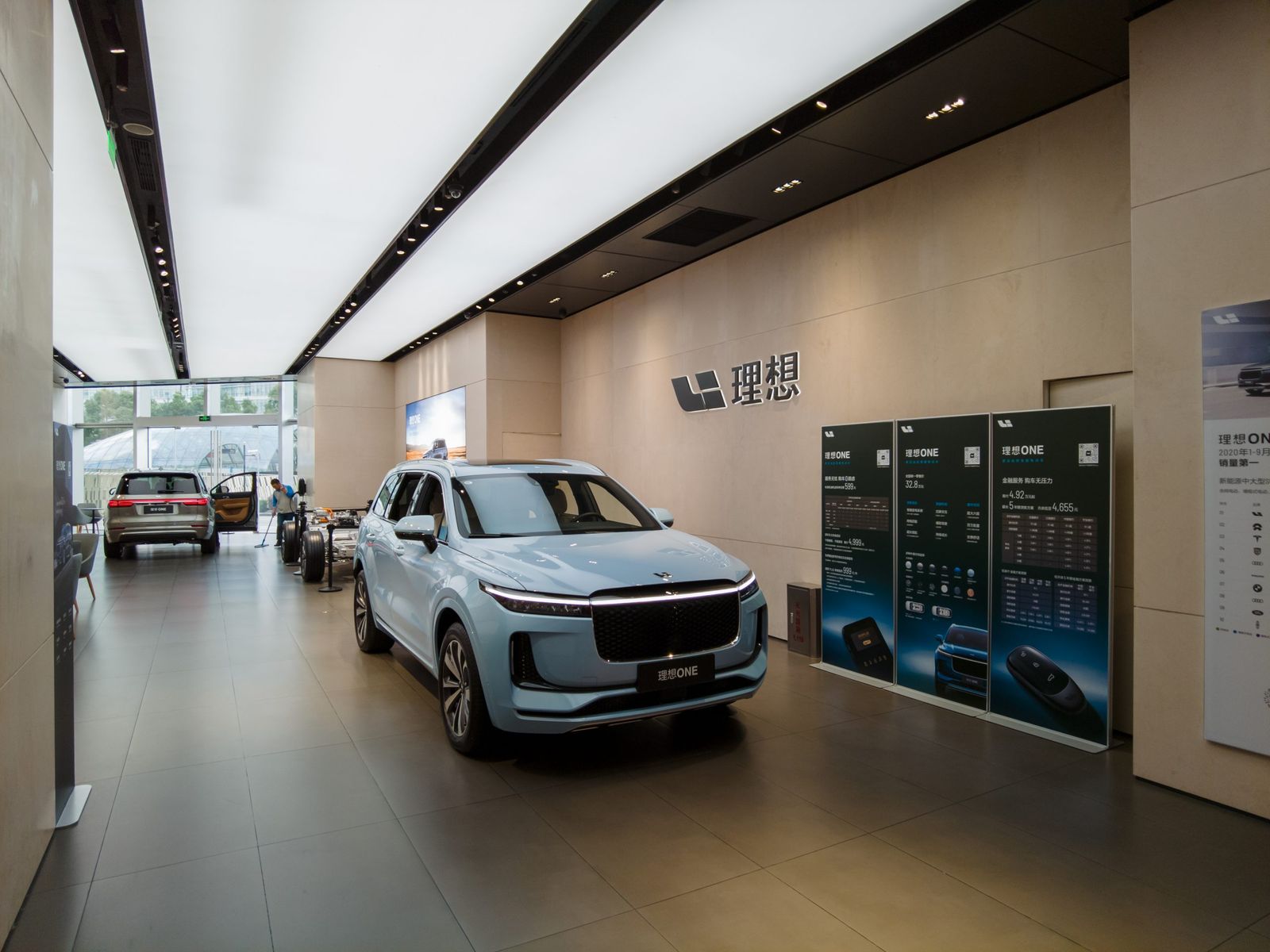
Chinese electric vehicle manufacturer Li Auto (NASDAQ: LI) is set to launch its first in-house AI-powered smart glasses, branded Livis, on December 3, 2025, during a Beijing event at 7:30 pm local time. Founder and CEO Li Xiang previewed the lightweight wearable as “Li Auto’s best AI accessory,” positioning it as a head-mounted extension of the company’s Lixiang Tongxue virtual assistant powered by its proprietary Mind GPT model. Deeply integrated with Li Auto vehicles, Livis supports AR navigation, driver fatigue monitoring, car door unlocking via gesture recognition, real-time translation, object scanning, photography, video recording, and music playback, transforming everyday drives into seamless AI-enhanced experiences.
The glasses feature interchangeable lenses—from standard optical to “magic mirror” smart variants—catering to prescription needs while enabling immersive interactions. A teaser video showcased Livis unlocking a Li Auto SUV hands-free, highlighting vehicle-specific synergies like synchronized cockpit controls and spatial awareness. Li Xiang emphasized no smartphone development plans, as the Lixiang Tongxue app already spans mobile platforms, but confirmed exploration of an AI smart speaker to broaden ecosystem coverage.
Evolution From In-Car XR To Wearable AI Companion
Li Auto’s wearable push builds on three years of experimentation. In August 2022, it partnered with TCL-owned Leiniao Technology to integrate Leiniao Air XR glasses into cabins, offering a virtual 140-inch cinema screen for the Li L9 SUV via its online store. This laid groundwork for AR entertainment, but Livis elevates integration with MindVLA—the next-generation autonomous driving architecture unveiled in March 2025. MindVLA fuses spatial, linguistic, and behavioral intelligence, enabling glasses to respond intuitively to user context, from family queries in “Children Mode” to creative brainstorming.
Livis echoes Marvel’s Jarvis—Tony Stark’s omnipresent AI butler—signaling ambitions for a conversational companion that anticipates needs across vehicle, home, and personal scenarios. CEO Li frames automobiles as “spatial robots” in the AI era, evolving beyond transport into intelligent hubs. The “wearable robot” unit, recently established, drives this vision, with Livis as flagship amid a “hundred-glasses battle” where dozens of brands vie for dominance.
Strategic Bet On AI Ecosystem Amid EV Market Pressures
Li Auto’s timing reflects dual imperatives: countering China’s brutal price wars and delivery slumps (October 2025 sales fell 22% YoY to 38,405 units) while accelerating AI differentiation. Q3 revenue hit RMB 28.6 billion ($4 billion), buoyed by 12.6% delivery growth to 121,000 vehicles, but competition from BYD, Tesla, and Xiaomi SU7 demands premium features. Livis serves as a “gateway” for non-owners to experience Li Auto AI, potentially boosting brand loyalty and upselling via app ecosystems.
Global AI glasses shipments are projected to reach 5.1 million units in 2025 (1.37 million in China), surging over 200% YoY per RUNTO, fueled by Meta’s Orion, Xreal’s Air 2, and Huawei’s offerings. Li Auto enters leveraging its 800,000+ vehicle base—largest among extended-range EVs—for data-rich training of Mind GPT. Unlike Google Glass’s 2013 flop, modern wearables emphasize lightweight design (Livis targets under 50g) and practical utility over gimmicks.
Technical Edge And Competitive Landscape
Livis integrates Mind GPT’s multimodal capabilities: processing voice, vision, and gestures for context-aware responses. In-car demos promise fatigue alerts via eye-tracking, AR overlays for navigation (highlighting lanes, hazards), and seamless handoffs—e.g., starting music on glasses that syncs to cockpit speakers. Object recognition aids parking or child safety, while translation supports international travel.
Rivals abound: Huawei’s Smart Glasses excel in translation; Rokid’s AR focuses on enterprise; ByteDance-backed Rokid Max targets consumers. Tesla eyes Optimus robot integration; XPeng and Nio embed AI screens. Li Auto differentiates via vertical integration—owning MindVLA from chip to cloud—plus family-oriented features like Children Mode for educational queries or bedtime stories.
Challenges persist: battery life for all-day use, privacy in always-listening modes, and regulatory hurdles for AR driving aids. Li Auto mitigates via over-the-air updates and user controls, drawing from Lixiang Tongxue’s 90%+ satisfaction in beta tests.
Broader Implications For Automotive AI Race
Livis underscores OEMs’ convergence with consumer tech giants, blurring lines between cars, wearables, and homes. Li Auto’s playbook—app-first ecosystem sans hardware silos—mirrors Tesla’s Full Self-Driving subscriptions but extends to accessories. Success could value Livis at premium pricing (expected RMB 2,000-4,000), subsidizing via vehicle bundles.
As EVs commoditize on range/battery, AI personalizes ownership: proactive assistance, predictive maintenance, emotional companionship. Li Auto aims global leadership, exporting Livis post-China validation. Shares rose 2% post-announcement, reflecting investor bets on diversification amid margin pressures (Q3 net profit down 6.6% to RMB 2 billion).
This launch cements Li Auto’s transformation from EV maker to AI mobility platform, where glasses unlock “spatial intelligence” across life moments. With December 3 reveal imminent, Livis could redefine cabin companions, proving wearables as indispensable co-pilots in tomorrow’s intelligent vehicles.
Follow Startup Story


Related Posts