
Uber expands in India with logistics service, metro ticketing
- ByStartupStory | December 16, 2025
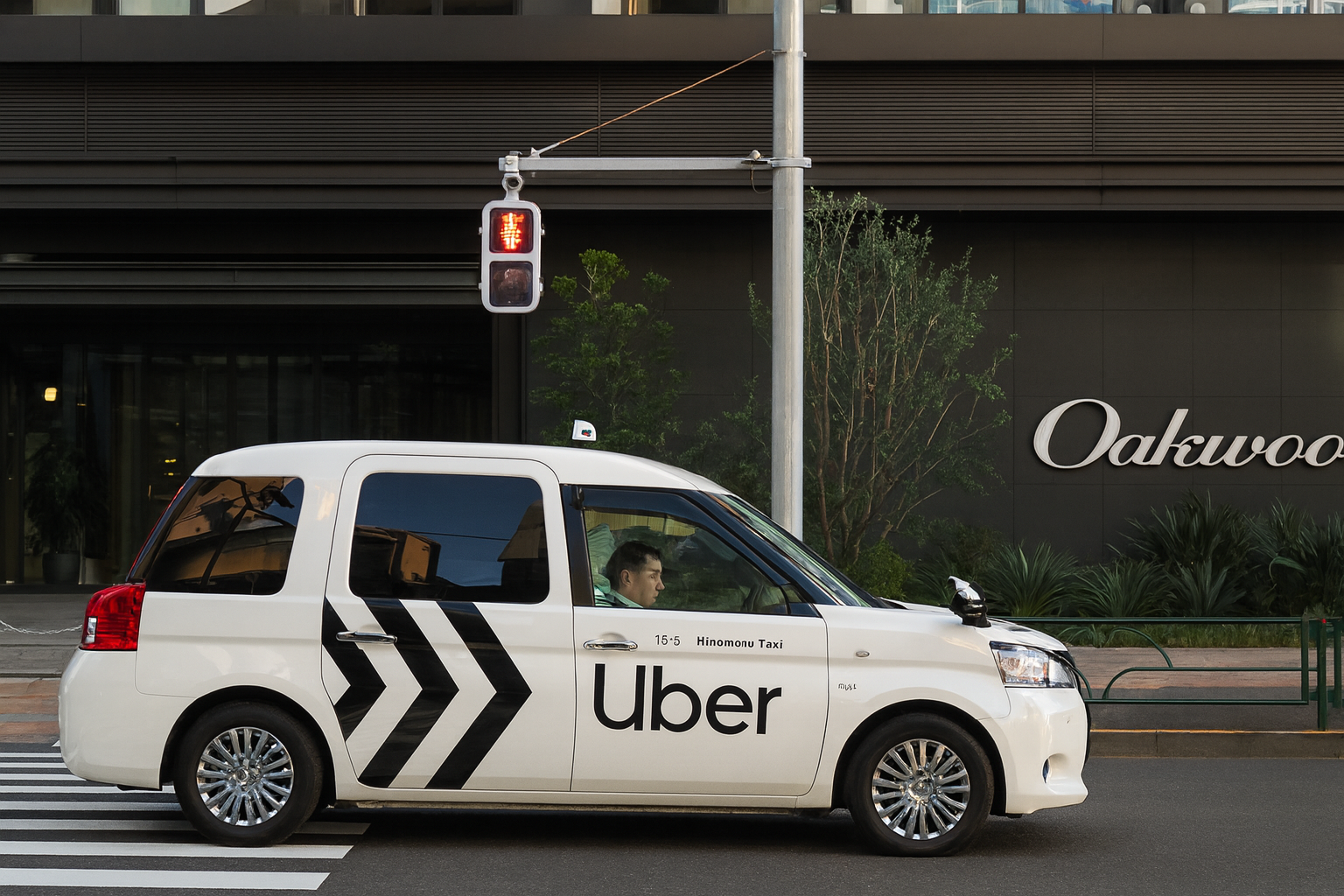
Uber has widened its India strategy by entering B2B logistics and adding metro ticketing to its app, positioning itself as both a mobility and delivery platform. The moves deepen its partnership with the government-backed Open Network for Digital Commerce (ONDC) and integrate more closely with urban public transport.
Uber Direct: New B2B logistics play
Uber has launched Uber Direct, a business-to-business logistics service that lets merchants ship goods using Uber’s existing fleet of two-wheelers and other vehicles. Initially live in Bengaluru, Uber Direct plugs into the ONDC network so that sellers on the open platform can use Uber for last-mile delivery without building their own fleets or logistics operations. Early partners include quick-commerce and fresh-produce players, with Uber targeting categories like grocery, food, e-commerce and pharmacy as it scales to more cities.
The company is pitching Uber Direct as a way to monetise its large driver base between passenger trips while helping merchants reach customers faster and more reliably. By entering B2B logistics, Uber steps into a competitive field that includes Dunzo, Shadowfax, Loadshare, Swiggy Genie and others, but brings the advantage of a massive, already-onboarded driver network and nationwide brand recognition.
Metro tickets inside the Uber app
Alongside logistics, Uber has begun offering metro ticket booking inside its app, starting with Delhi Metro and extending to Namma Metro in Bengaluru and other cities over time. Users planning a metro ride can now search routes, view station information and buy QR-based tickets directly on Uber, paying via UPI or other digital methods. The app also lets users bundle a metro ride with an Uber cab or auto to or from the station, creating a more seamless door-to-door journey.
Uber’s metro ticketing is also powered by its integration with ONDC, which acts as the backend commerce layer for ticket purchase. For metro corporations, the tie-up promises wider digital reach and reduced friction at ticket counters and vending machines, while for Uber it strengthens its role as a one-stop interface for urban mobility.
Strategic context in India
India is one of Uber’s largest markets by trip volume, but price-sensitive customers and tight margins have pushed the company to look beyond traditional ride-hailing. By layering B2B logistics and public-transport integrations on top of its core business, Uber is trying to capture a bigger slice of India’s mobility and commerce flows, from moving people to moving parcels.
The logistics push gives Uber a foothold in the booming last-mile delivery market, while metro ticketing aligns with government and city goals to shift more commuters to public transport. Together, these launches move Uber closer to its stated vision of “go anywhere, get anything” in India, anchoring the app more deeply in daily urban life and diversifying its revenue streams ahead of intensifying competition from local rivals.
Also Read
Follow Startup Story


Related Posts