
Digital Personal Data Protection Bill, 2023 Clears Lok Sabha Hurdle Amidst Government’s Firm Stance on Exemptions
- ByStartupStory | August 7, 2023
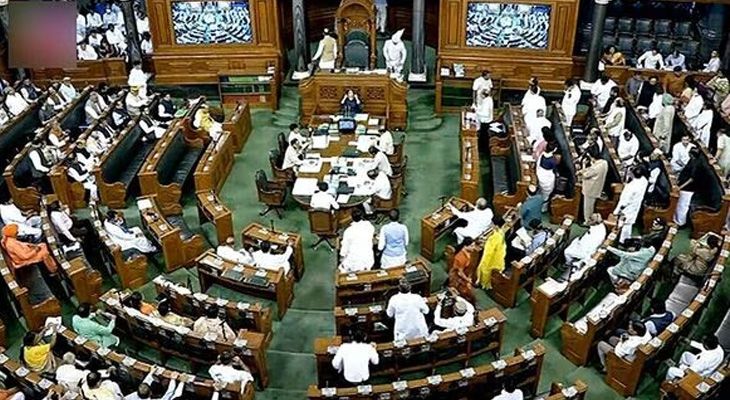
In a significant development towards fortifying digital privacy safeguards, the Digital Personal Data Protection Bill, 2023, successfully navigated through the Lok Sabha in a voice vote, marking a crucial milestone amidst vocal opposition. The passage of the Bill underscores the government’s commitment to bolstering data protection measures, even as certain exemptions have come under intense scrutiny.
The bill lays down a comprehensive framework for entities engaged in online data collection, with noteworthy exceptions carved out for Government and law enforcement agencies. The legislation, now en route to the Upper House, also introduces amendments to the Right to Information Act, 2005, aimed at eliminating exemptions related to the disclosure of personal information in the public interest.
Addressing concerns surrounding the extent of governmental exemptions, surveillance, and the revision of the RTI Act, Minister of Electronics and Information Technology Ashwini Vaishnaw emphasized the pragmatic aspect of the legislation. “In times of natural disasters or emergencies like earthquakes, should we be preoccupied with consent notifications or prioritize people’s safety?” questioned Mr. Vaishnaw. He further pointed out that the police’s pursuit of offenders would prioritize action over bureaucratic formalities.
The proposed amendments to the RTI Act, which restrict the disclosure of personal information, are aligned with the principles established by the Puttaswamy judgment in 2017, which reinforced the constitutional right to privacy. Mr. Vaishnaw affirmed that the bill harmoniously bridges the gap between the RTI Act and the Data Protection Bill, ensuring coherence and consistency.
Debates in the House brought to light a spectrum of viewpoints, reflecting the complexity of the data protection landscape. Telugu Desam Party MP Jayadev Galla raised concerns over the potential influence of the Government on the proposed Data Protection Board of India, particularly in terms of decision-making powers and the tenure of service. While expressing support for the Bill, Mr. Galla noted that careful consideration was needed to ensure the board’s independence.
Highlighting the need for surveillance reform, AIMIM MP Imtiaz Jaleel expressed reservations about the Bill’s focus. “While the Bill establishes a solid framework for citizen surveillance, it falls short of addressing the urgent surveillance reform required in the country,” remarked Mr. Jaleel.
YSRCP MP Lavu Sri Krishna Devarayalu drew attention to the absence of provisions related to the right to be forgotten, raising concerns about the persistence of outdated personal information. In response, Mr. Vaishnaw clarified that the Bill indeed accommodates the right to erasure of data.
Despite the bill’s passage, Bahujan Samaj Party MP Ritesh Pandey raised a pertinent question about the broad scope of forthcoming subordinate legislation. The frequent use of the term “as may be prescribed” within the concise 20-page bill was highlighted as a topic of concern by Mr. Pandey.
As the Digital Personal Data Protection Bill, 2023, progresses through the legislative process, its implications on data privacy, governmental oversight, and individual rights continue to ignite robust discussions, reflecting the nation’s collective efforts to strike a balance between technological progress and safeguarding citizens’ digital footprints.

Follow Startup Story


Related Posts