
Zomato urges restaurants to raise advertising expenses on its platform and take responsibility for refunds
- ByStartupStory | March 3, 2023
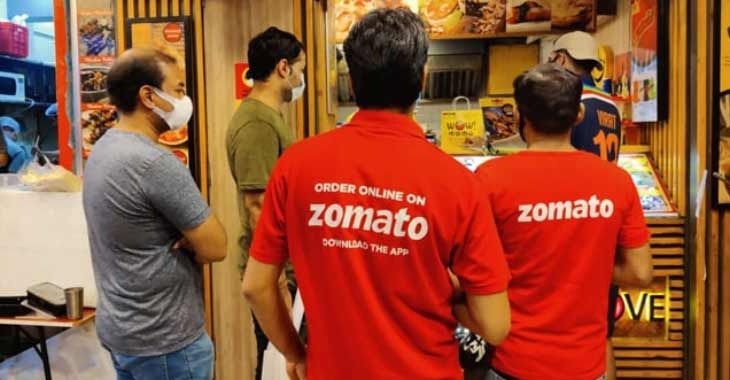
Apart from raising commissions on food-delivery orders, Zomato is compelling restaurants to increase their spending on the platform by advertising and taking responsibility for cancellations.
A restaurant partner, who preferred to remain anonymous, stated, “I was informed that higher advertising payments would result in better visibility, and my position on the app would significantly improve. This implies that brands that don’t allocate at least 5% of their revenue for advertising would experience a decline in their visibility on the platform.”
Restaurants can increase their visibility on the app’s search page by advertising through the cost-per-click method. Zomato provides options for brands to advertise through dynamic videos and banner listings. Currently, paying for ads is not mandatory for restaurants. It is unclear how much Zomato generates through its platform ads.
Zomato’s conflict with its restaurant partners is expected to escalate in the coming months as the company prioritises profitability and aims to recover from declines in its food-delivery business.
Another restaurateur, who preferred to remain anonymous, stated that Zomato’s suggestion for restaurants to spend a specific minimum amount on platform advertising is yet another means of pressuring brands. The individual added, “Zomato is leveraging its dominant position to make unjustified requests.”
This individual stated that spending on advertising should be based on the restaurant’s judgement, taking into account factors such as its target audience, location, and ability to manage online orders.
According to certain restaurant partners, Zomato has requested them to reduce their online prices to match the prices they offer at their physical restaurants. Usually, restaurants charge higher rates on food-delivery platforms to make up for the discounts and other expenses they incur.
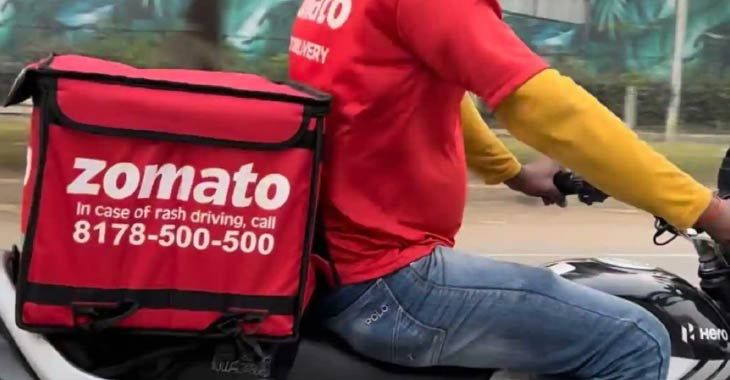
Zomato generally covers the expense of refunds caused by order cancellations, which constitutes less than 10% of all its orders, unless it is due to frequent quality issues or a restaurant-initiated cancellation.
However according to the sources, Zomato is now urging some restaurants to take on the responsibility of cancellation fees and customer support charges. It is uncertain whether these restaurants have low ratings or have encountered legitimate quality problems.
Last year, restaurants raised apprehensions regarding the introduction of a fresh set of terms and conditions that would result in penalties for order cancellations. Non-compliance with the provisions could lead to the removal of the restaurant from the platform. In response, Zomato clarified that the policy had been in effect for eight months and would be applicable for a brief duration only to restaurants that have a higher cancellation rate than the platform’s average.
Another industry executive, who preferred to remain anonymous, stated, “We have already discussed this issue in the past and did not anticipate it to resurface, especially when Zomato is contemplating an increase in commissions.”
Aggregators such as Zomato and Swiggy have been at odds with the National Restaurant Association of India (NRAI), which represents over five lakh restaurants in India.
The NRAI has taken issue with their practices of offering significant discounts and obscuring data. Additionally, the organisation has lodged a complaint with the Competition Commission of India against the food-delivery platforms for engaging in anti-competitive activities.
Zomato experienced a 0.1% decrease in adjusted revenue in the December quarter compared to the previous quarter, mainly due to a reduction in the number of orders.
CFO Akshant Goyal stated in the earnings statement, “We have observed a downturn in the food delivery industry across the country, particularly in the top 8 cities, since late October, following the Diwali festival.”
Follow Startup Story


Related Posts