
RBI lens on companies seeking payment aggregator licence
- ByStartupStory | April 23, 2022
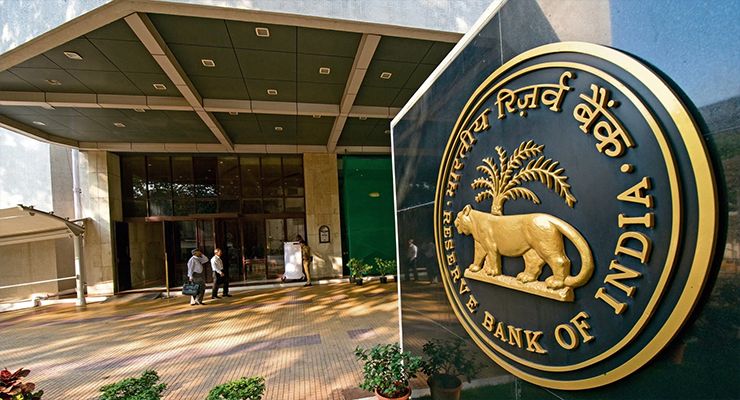
Major online payment gateways such as Cashfree and Mobikwik seeking a payment aggregator licence have come under the Reserve Bank of India’s scanner for KYC-related issues and past partnerships with gaming apps and cryptocurrency exchanges, multiple people aware of the development said. A source close to the matter said that RBI has decided to reject the payment aggregator licence of ZaakPay, which runs MobiKwik. Zaakpay’s crypto partnerships and failure to meet the laid-down net-worth criterion are likely to be the reasons for the rejection, the source said.
MobiKwik refused to comment on this. Cashfree, too, has been recently questioned regarding its KYC standards and business modules, another source said. “We would like to state that Cashfree Payments has not come under any scanner by the Reserve Bank of India. Our interaction with the regulator has been positive. Cashfree Payments has 0 exposure or relations with crypto exchanges,” Cashfree told Economic Times.
“The regulator is clearly not okay with payment aggregators having dealings with gaming apps or companies which have in the past been accused of being a conduit to launder money,” a source directly aware of this recent development told ET. According to the RBI rules, Payment aggregators are expected to show a net worth of INR 15 crore on the date of their applications or as of March-end 2021 and of INR 25 crore by the end of the ongoing fiscal year (FY23).
News Firm Economic Times in 2021 reported that multiple Indian payment gateways had come under the scanner and scrutiny of the Directorate of Enforcement for allowing customers to transfer money to Chinese betting apps. Over the past few months, RBI has also held presentations with payment gateways and the other major fintech firms that had applied for a payment aggregator licence.
The RBI has not provided any licences yet, but it has also quickly informed those companies whose applications have been rejected, sources stated. At least 185 fintech firms — including renowned firms like PhonePe, Cred, and Razorpay — had submitted proposals seeking payment aggregator licences.
The payment aggregator framework, introduced formally in March of 2020, mandates that only companies approved by the RBI can acquire and offer payment services to merchants. The firms authorised to operate as payment aggregators .in India will come under the direct purview of the central bank while rendering payment services to merchants. This is a step that many industry insiders think would lead to a more regulated and standardised payments ecosystem.
If an application is rejected, merchants have nearly 3 months to stop using a gateway’s service. The RBI has also plans to extend this time frame to six months, sources revealed. RBI is mainly concerned about the payouts business of a few payment gateways. These players had separately written to the banking regulator to explain how they were processing such payouts, sources said
On merchant partnerships, the RBI— during its due diligence for granting a payment aggregator licence — will also be checking on aspects related to what % of the business revenue comes from unregulated entities, including online betting, crypto exchanges, etc. RBI also evaluates money-laundering concerns as well as whether these aggregators are obeying its tokenisation norms.
“The RBI does not appreciate payment providers powering the cryptocurrency industry in any form, whether it is supporting the trading or providing their platform for any other use-cases,” said sources. “That is the first call for immediate rejection. The RBI is also taking note of what KYC norms are being followed by these payment platforms, with the remotest risk identified leading to rejections. There is really no scope of negotiation this time.”

Follow Startup Story


Related Posts