
Papier, a stationary firm located in London, has acquired $50 million in Series C funding to expand into foreign markets like the United States
- ByStartupStory | February 15, 2022

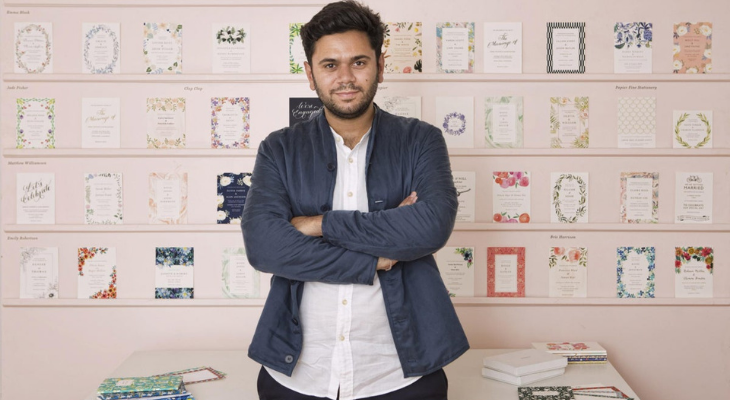
Papier, an online retailer of personalised notebooks, planners, cards, and other paper-based stationery, has secured some capital to continue developing its company, following significant demand for its personalised notebooks, planners, cards, and other paper-based stationery. According to Taymoor Atighetchi, Papier’s CEO and founder, the London startup has raised $50 million in a Series C round to expand its services to provide more paper-based products, and also pens and some other supplies you could perhaps find on your physical desktop: which may include desk storage, writing utensils like pens and pencils, or anything that would support your writing.
Singular, a Paris-based venture capital firm, led the round, which included new investors dmg ventures, Lansdowne Partners, and Kathaka, as well as existing backers Felix Capital and Beringea. The company has already raised $65 million and is not disclosing its valuation, although it claims that its revenues have increased by 150 per cent in the last two years.
It’s worth noting that one of Papier’s significant investors in this round is the corporate venture arm of the Daily Mail Group, one of the world’s largest newspaper publishers. At a time when major paper-based businesses like publishing are becoming increasingly digital, Papier offers an intriguing way out of obscurity for analogue items that doesn’t eat up the entire income source.
In this sense, the United States will be a special focus: the firm expects it to account for 40% of revenues in the year, and it has expanded fivefold since 2019.
The company has no efforts to construct digital versions of its products — no Evernote-style translations of written notes into apps, for example — but Atighetchi says the company wants to align itself with other digital businesses that are leaning into the idea of giving consumers ways to disconnect from the digital world. Indeed, this is a growing area of technology that is being pushed not only by smaller companies but also by major platform players like Apple, which has built the new modes into iOS to assist people turning away from their screens by minimising notifications and streamlining how you can use your devices at different times of the day.

Follow Startup Story


Related Posts