
Why Ukraine is becoming a global healthtech frontier
- ByStartupStory | February 26, 2026

Ukraine offers a rare combination: deep technical talent, a startup ecosystem tested under extreme conditions, digital-first public infrastructure, supportive regulation, and urgent national demand that accelerates adoption cycles.
For investor Serhiy Tokarev, co-founder and general partner at investment firm ROOSH, that urgency has reshaped an entire sector.
The full-scale war pushed Ukraine’s healthcare system to its limits, forcing doctors, engineers, and founders to build fast, scalable solutions for some of the most complex challenges imaginable: trauma care, mental health, rehabilitation, logistics, and access.
“In Ukraine, health innovation isn’t optional — it’s urgent,” he asserts. “And what emerged is one of the world’s most unexpected healthtech frontiers — rooted in necessity, driven by endurance, and scaling fast.”
The state of Ukrainian healthtech
In 2024, the top ten startup funding rounds in Ukraine — across all sectors — raised over $300 million. One of the standout healthtech deals was Esper Bionics, which secured $5 million in a round led by YZR Capital.
Behind these headline rounds sits a maturing ecosystem. Local incubators and international backers such as the UVCA https://uvca.eu and the Ukrainian Startup Fund provide funding, mentorship, and infrastructure to help founders scale. Local VCs, including u.ventures and Horizon Capital, as well as global initiatives such as Google for Startups and USAID-backed programs, continue to support Ukrainian innovation.
At ROOSH Investment Group, Tokarev says the team has seen firsthand how critical early backing can be. That insight inspired him to launch the Tokarev Foundation and its healthtech mentorship program, Generation H.
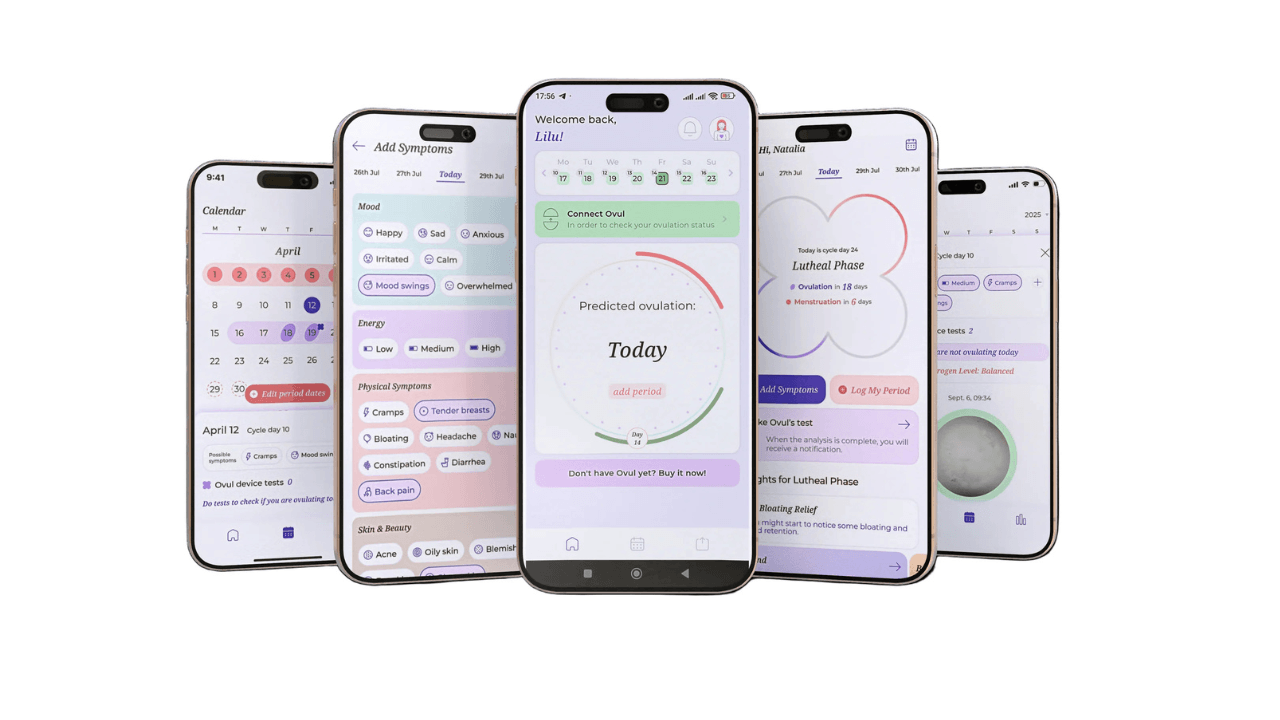
Its first winner, Ovul , is developing a saliva-based hormone tracker that detects fertility in five seconds.
“It’s a powerful example,” Tokarev says, “of the kind of innovation emerging from Ukraine’s healthtech ecosystem.”
A digital health system already in motion
Even before Russia’s full-scale invasion of Ukraine, the country was digitising healthcare. Platforms like Helsi allow users to book doctor appointments, access online consultations, and receive electronic prescriptions. Today, Helsi counts over 29 million registered patients and facilitates more than 200,000 bookings daily.
“The infrastructure was already there,” Tokarev notes. “The war simply accelerated adoption.”
Health product marketplace Liki24 operates as a marketplace that aggregates products from multiple pharmacies and optimises for price, speed, and availability. Its proven it’s possible to scale during wartime. By 2023, 35 to 40 per cent of revenue came from the EU. Today, it’s 70 per cent. Revenue in Ukraine has still grown twofold since the invasion, and Liki24 raised €9 million this year, bringing its total funding to €19 million.
Three sectors shaped by urgency
Mental health at national scale
Nearly 10 million Ukrainians — including 1.4 million children — are at risk of developing mental health conditions as a result of the war.
“Traditional counselling alone cannot meet this demand,” Tokarev says.
Kyiv-based therapy marketplace Mindly pivoted rapidly during wartime, offering remote mental health support. Within three weeks, it reached over 3,000 users and hosted more than 1,000 therapy sessions. The company is now expanding into Poland to serve displaced Ukrainians abroad.
There’s also the use of VR as a tool to help clinicians extend their reach under extreme system strain. Luminify is an immersive VR system created by healthtech Aspichi that translates evidence-based approaches such as cognitive behavioural therapy, mindfulness, and trauma therapy into guided mixed-reality experiences delivered through headsets.
In Ukraine, Luminify has already been used by more than 1 million people across rehabilitation settings, effectively serving as a large-scale test of a clinician-extension model in crisis conditions. It’s also been proven successful in post-rehab care in the US.
“Solutions built for the most demanding scenarios,” Tokarev says, “are naturally competitive globally.”
Rehabilitation and prosthetics
The war on Ukraine has dramatically increased demand for rehabilitation and prosthetics. In the US, 1,558 military personnel lost a limb due to the wars in Afghanistan and Iraq.
Shockingly, Ukraine is facing a future with between 20,000 and 50,000 amputees, according to the military personnel human rights organisation Pryncyp.
Yet prosthetics are traditionally costly, uncomfortable to wear, require lengthy rehabilitation and in the case of growing children, frequent replacements.
SYLA is developing an AI-enhanced bionic prosthetic knee that utilises advanced algorithms to dynamically adjust to the user’s walking pace, ensuring a seamless transition from slow walks to brisk runs.
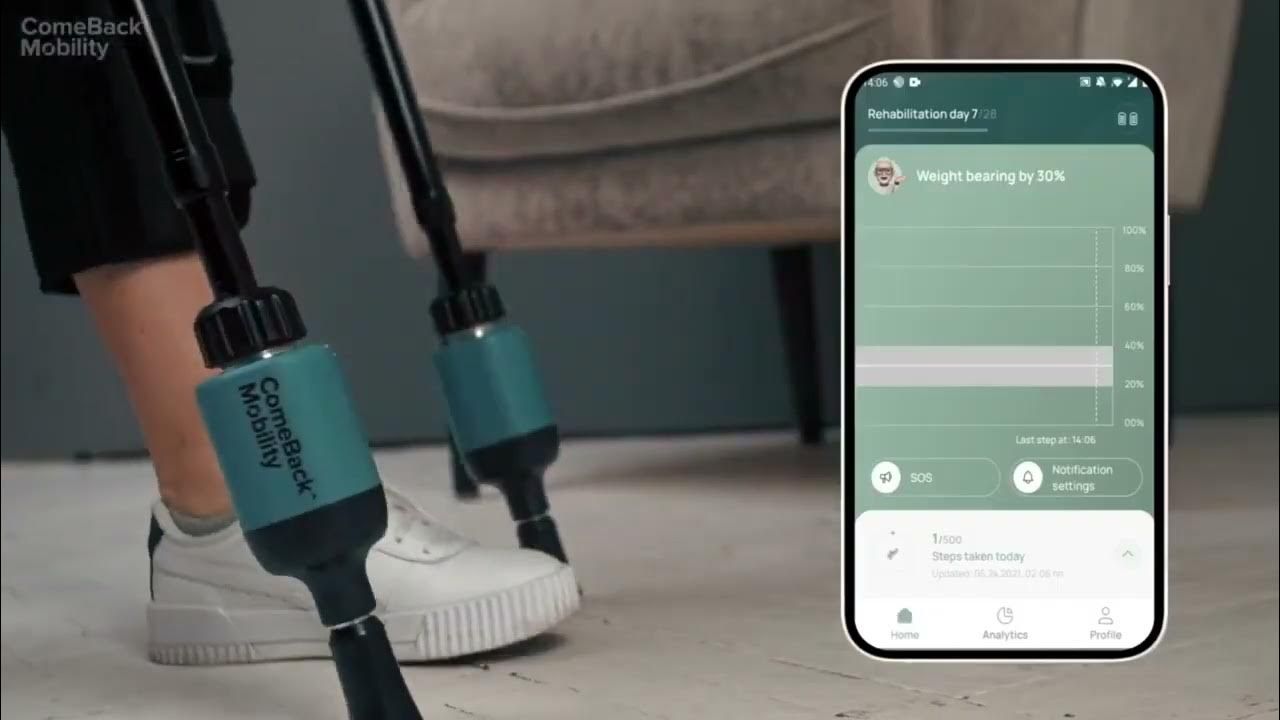
Lviv-based ComeBack Mobility develops crutches with sensor-equipped nozzles and a companion app that tracks movement and provides real-time feedback. Clinical tests suggest rehabilitation times can be reduced to six weeks. The company has already expanded into the US. There’s also the development of necessary rehab support.
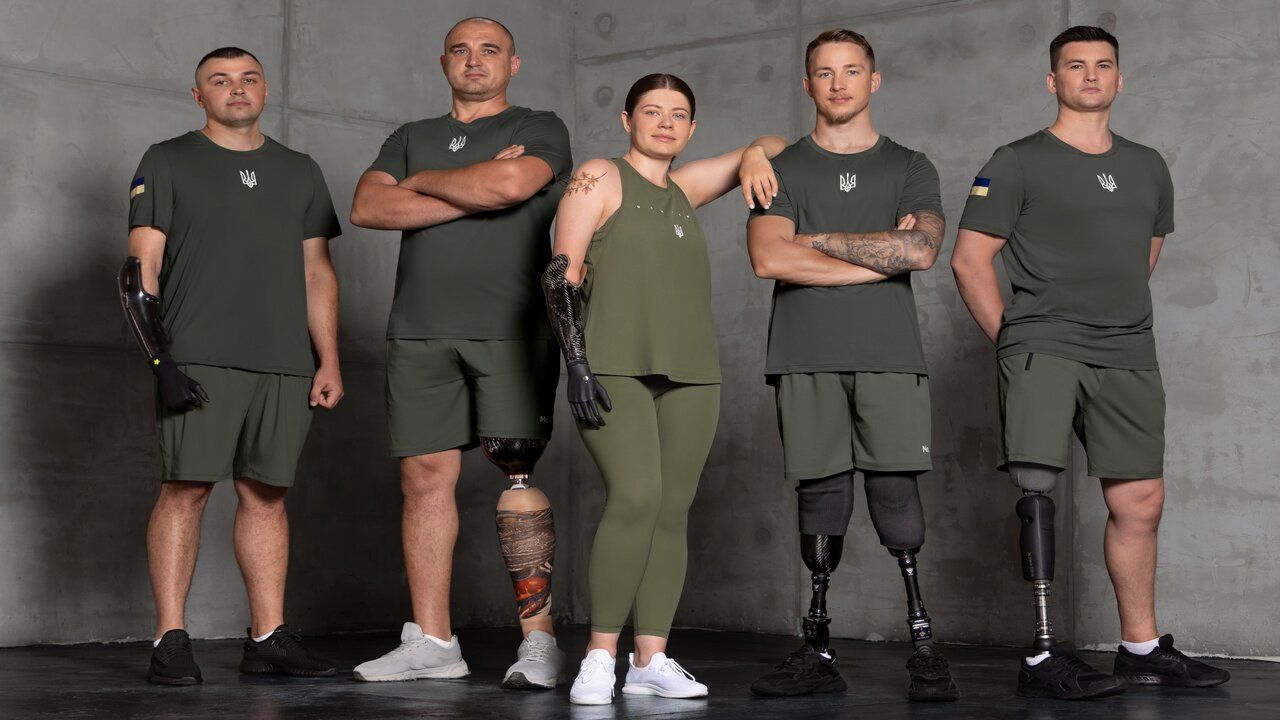
Ukrainian health and wellness platform BetterMe has over 150 million users globally. Its partnered with Esper Bionics, a manufacturer of bionic prostheses, and Future for Ukraine, a charitable foundation that provides prosthetics for Ukrainian military abroad, developing Limb Loss Workouts within the BetterMe: Health Coaching app.
The app offers 200 targeted training workshops for upper- and lower-limb loss. Each workout video features five amputees with different prostheses demonstrating every move.
Public health data and logistics
War conditions have exposed the importance of tracking injuries, managing medicine supply chains, and digitising hospital systems. Startups building AI diagnostics, medical record platforms, and supply-chain software have been able to pilot in real-world stress environments.
“In Ukraine,” Tokarev explains, “you can validate solutions under extreme conditions. If they work here, they work anywhere.”
While some investors are reluctant to support Ukrainian startups due to potential business continuity challenges, Tokarev urges, “If you’re an investor looking for the future of global healthcare, it’s time to look here.”


Follow Startup Story


Related Posts