
Taiwan To Require Drone Sellers To Register, Label New Models
- ByStartupStory | December 1, 2025

Civil Aviation Administration Enforces Product Safety And Traceability From December 1
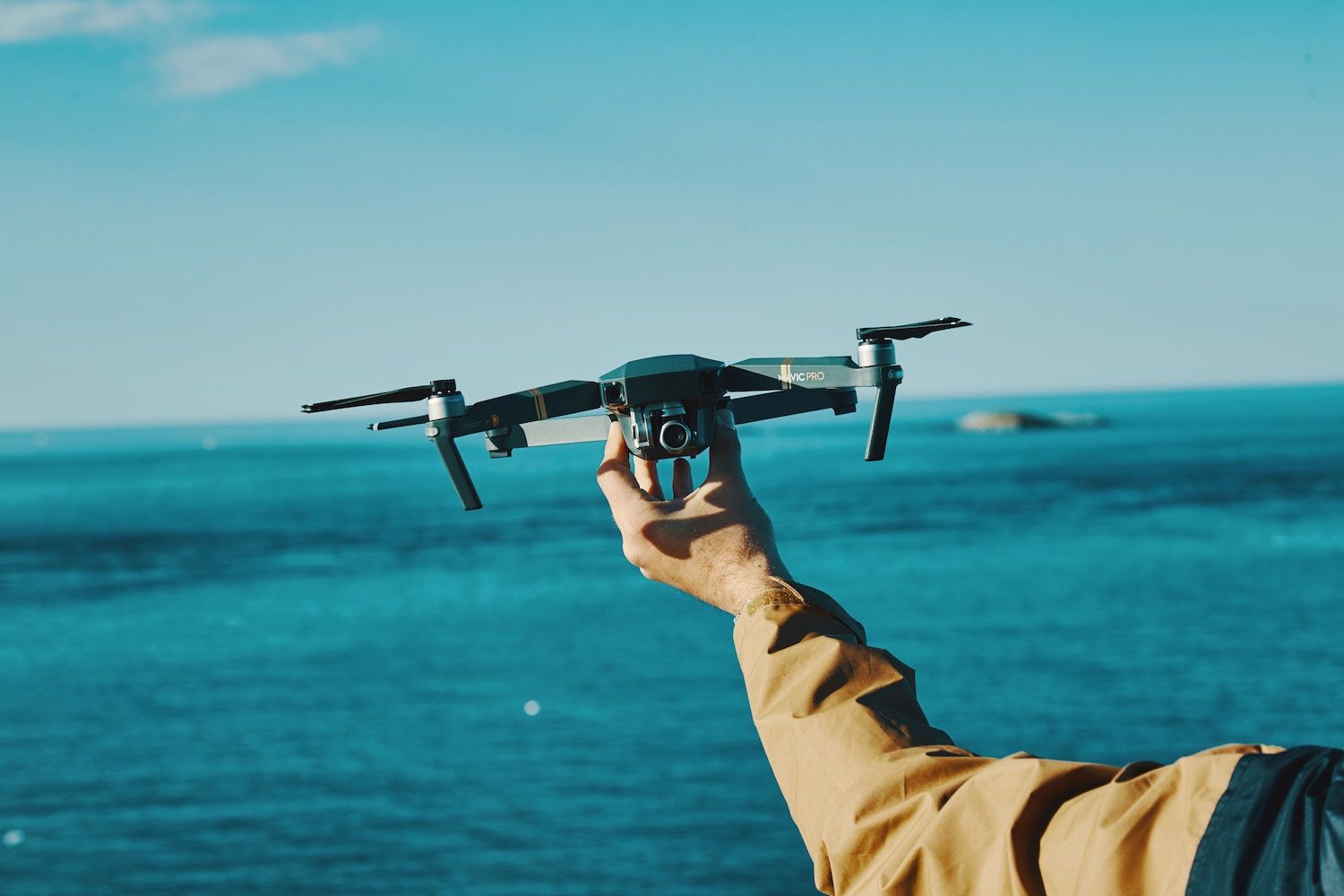
Taiwan’s Civil Aviation Administration (CAA) has mandated that drone sellers and importers register products and affix clear labels with key specifications before offering new models for sale, effective December 1, 2025. Manufacturers must upload comprehensive details—including brand, model, maximum takeoff weight (MTOW), cybersecurity test results, National Communications Commission (NCC) radio certification, and inspection documents—to the CAA’s drone management information system. This information requires prominent printing on the drone body and packaging, enabling quick identification and compliance verification.
Non-compliance carries fines from NT$10,000 to NT$1.5 million (US$318–47,751), targeting sellers who bypass obligations. Importers and foreign brand agents must adopt Import Regulation Code 617 for remote-controlled drones, with drones over 2kg needing CAA approval at customs and lighter models requiring Bureau of Standards, Metrology and Inspection (BSMI) authorization.
Phased Rollout Builds On 2024 Regulatory Amendments
The rules stem from November 2024 amendments to Taiwan’s drone management regulations, addressing rapid industry growth with over 38,000 registered corporate drones across 528 types. Individuals assembling custom drones face identical registration duties, fostering a comprehensive oversight framework. CAA data shows 749 eligible corporations filing 23,000+ annual activity applications, with 22,589 pilot licenses issued via 24 nationwide test sites.
Authorities prioritize commercial drones weighing 2–25kg for flight security inspections starting December 1, collaborating with labs for streamlined processes. Corporate adoption mandates inspections and registration by December 1, 2027, while new market entrants comply immediately. Demonstration videos and manufacturer visits aid transition, aiming to boost Taiwan-made drones’ global competitiveness.
Balancing Innovation With Safety And Security
These measures respond to surging demand amid military procurements—like the Ministry of National Defense’s NT$50 billion bid for 48,000 drones across five categories—and civilian applications in agriculture, surveying, and delivery. Cybersecurity emphasis counters risks from foreign-sourced components, aligning with efforts for “non-red” supply chains excluding mainland China parts.
The framework lowers entry barriers for youth—student pilot licenses and registrations now available from age 14—while enforcing tiered licensing to maintain proficiency. Existing pilots transition via assisted upgrades, preserving foundational skills.
Economic And Strategic Implications
Taiwan targets 180,000 annual drone production by 2028, up from 8,000–10,000 units, through incentives, U.S./German partnerships, and export surges (7.5x growth to Europe in early 2025). Challenges persist: high costs from allied tech reliance, 4,300 restricted zones, and certification hurdles.
Yet progress shines: Group 1/2 UAVs (≤25kg MTOW) dominate NATO-aligned exports, positioning Taiwan as a democratic drone hub. Europe’s pending “Trusted Drone” label and U.S. Blue UAS list offer pathways, with phased rules ensuring safety without stifling innovation.
This registration regime cements traceability, elevates product standards, and safeguards airspace integrity, supporting dual-use advancements vital for defense self-reliance and economic diversification. As drone pilots hit 8,000 yearly tests, Taiwan evolves from adopter to exporter in the global UAV ecosystem.


Follow Startup Story


Related Posts