
Zerodha CEO warns of rising resignations at late-stage startups due to funding downturn and liquidation preferences
- ByStartupStory | April 27, 2023

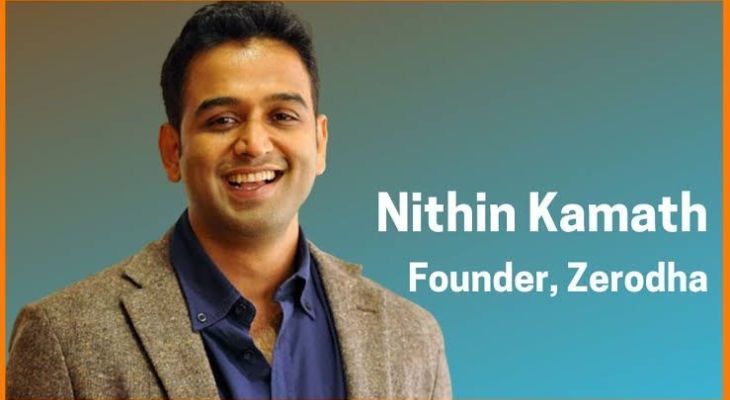
Nithin Kamath, the founder of Zerodha, anticipates that the number of founders and leaders resigning, particularly at late-stage startups, will continue to rise, making it more challenging for companies to withstand the current funding downturn. According to the CEO, this trend is due to liquidation preferences and the disparity between valuations and business fundamentals.
According to Kamath’s tweets, startups typically use liquidation preferences to enable investors to recoup their investment before other stakeholders. Although this type of financing is not commonly thought of as a loan, it operates similarly to one. As founders raise additional funds, it becomes more challenging for them and their teams to realize equity benefits.
Kamath noted that liquidation preferences can be effective as long as startup valuations continue to rise and each new investment round sees an increase in value. This results in notional gains for all investors. However, if growth stagnates or obtaining new funds at higher valuations becomes difficult, the investment may begin to resemble a loan.

Traxcn‘s report reveals that Indian startups raised $2.8 billion in 301 funding rounds during the January to March 2023 period. This marks a substantial year-on-year decline of 75%, compared to the $11.98 billion raised in 816 rounds in the same period last year. The report attributes the decrease in startup funding to rising inflation and interest rates imposed by central banks worldwide. The CEO of Zerodha suggests that when valuations outstrip business fundamentals, reality sets in, and there may be no equity left for the founders and teams if all the investment has to be repaid. This can result in a decrease in interest in running the business.
According to Kamath, the trade-offs involved in liquidation preferences are also applicable to investors. He points out that new investors typically have the highest preference. Kamath suggests that the current winter may teach investors the importance of building businesses differently in India, where M&As and IPOs are not always viable solutions to overcome liquidation preference issues. He also warns that raising significant amounts of money at high valuations may not always benefit founders and teams, as their equity will continue to lose value with each new investment round. Kamath emphasizes that although such fundraising may improve an investor’s fund performance, it may not be advantageous for those who hold equity in the company.
Calling all entrepreneurs, investors and business owners! The wait is finally over. The 2nd edition of Startup Story B2B Connect is back with a bang – and this time, we’re taking it up a notch. With more startups, more investors and bigger opportunities than ever before, this is your chance to connect, collaborate and take your business to the next level. Get ready for an unforgettable networking experience that’s set to change the game. Stay tuned for all the exciting updates! Register Now Here.


Follow Startup Story


Related Posts