Swiggy to soon operate “Middle-Mile” drone delivery, says CTO Dale Va
- ByStartupStory | September 26, 2022


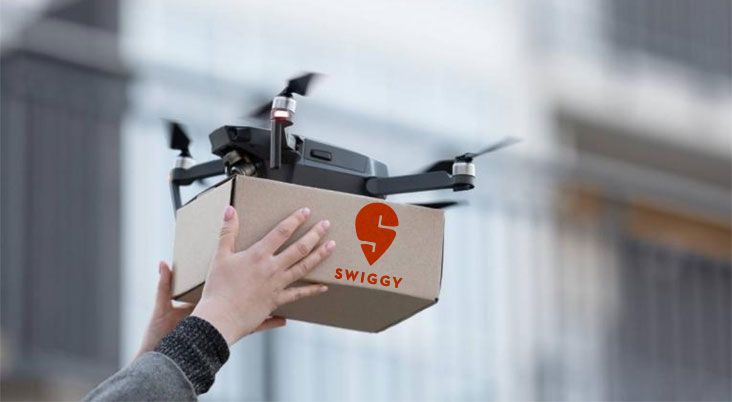
Swiggy, a leading provider of food delivery services, will soon employ a drone to transport goods from a suburban warehouse near Gurugram or Bengaluru to a distribution facility in the middle of the city as part of a bigger initiative to test out emerging technology and improve operational efficiency.
To carry out the experiment, Swiggy is collaborating with partners such as drone manufacturers and government agencies. The organisation sees inefficiencies in the movement of goods from warehouses to central metropolitan areas, from which delivery partners depart for the customer’s home.
“Today, you either tell the customer you are out of stock or shift the merchandise via trucks. Now, drones can be used to streamline the “middle mile” delivery, which is the journey from the warehouse to the pod (a collecting point in the city), CTO Dale Vaz told reporters on the sidelines of Chennai’s CTO talk tech forum.
“We are eager to collaborate with startups and software firms that provide drone services. Involved are regulations as well. The government has approved the flight lanes,” Vaz said, adding that the pilot would shortly take off.
Garuda Aerospace, a manufacturer of drones, had earlier announced that it has joined Swiggy’s endeavour to assess the viability of drones for its quick food delivery Instamart service. The middle-mile opportunity, according to Vaz, was shielded from risks of misuse, fraud, and safety concerns. However, efforts around drone delivery at customers’ doorsteps may contain these risks. Vaz is a former senior executive for software engineering at Amazon India. He is currently in charge of Swiggy’s 700-person engineering team in addition to other departments.

The piloting of Swiggy’s experimental drones comes as food delivery services make a concerted effort to make their products more accessible and delivered on time to clients. Segments with sporadic and unpredictable demand during the day are on Swiggy’s radar, but Vaz said the business has steadfastly refrained from demanding partners to deliver groceries or particular food categories in under ten minutes: “Sincerely, that segment has never been played at Swiggy. And I’m not sure if the customer who says, “I need my tomatoes in nine minutes,” actually has that need.”
Vaz discussed the drone pilot in the context of the several moonshots taken by technological companies, with little knowledge of which ones will succeed commercially and which ones will fail. Former Infosys CEO Vaz claimed that not all organisations have a strong correlation between income and personnel count, particularly engineers working on cutting-edge technology. This is especially true for businesses that are trying to establish new categories or compete in areas that are still developing.
“The math was comparatively easier for enterprises in the IT and Software-as-a-Service (SaaS) sectors. The issue was much more complicated for companies like Swiggy that employ technology for non-tech industries, he claimed. When your markets and consumers are shifting, you cannot establish a correlation between your salary bill and business growth. However, at some point when the business is mature, you may be able to.


Follow Startup Story


Related Posts