Lendingkart’s losses increase 7X in FY22, scale grows 24%
- ByStartupStory | October 29, 2022

Lendingkart managed to increase by over 25% and surpass the Rs 600 crore revenue threshold during the most recent fiscal year, following a flat FY21 (FY22). But along with this expansion, there has also been a sharp increase in losses, which increased 7X in FY22.
According to its consolidated annual financial records filed with the Registrar of Companies, Lendingkart’s revenue from operations increased 24.4% to Rs 616 crore in FY22 (RoC).
The platform provides loans to small and medium-sized enterprises and mostly makes money from interest payments. Over 92% of the total operating revenue in FY22, which increased 18.4% to Rs 570.6 crore, came from this interest income.
Another Rs 45.4 crore was earned by the company in FY22 through a variety of sources, including commission, advertising, and gain from loan assignments. The company’s new programme 2gthr commissions are also included in the commission income (together, for the uninitiated). Co-lending services are offered by 2gthr with banks and non-banking financial institutions (NBFCs).
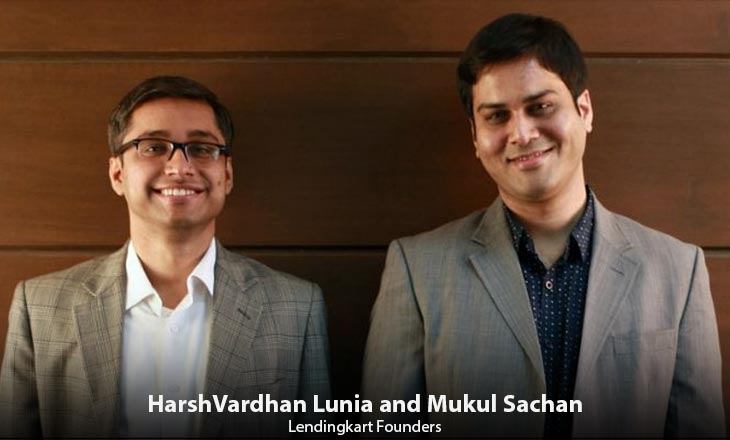
Lendingkart, which was founded in 2014, offers four products: 2gthr, a marketplace for retail lending, Xlr8, a tool for managing DSA channel partners, Cred8, an underwriting tool for MSME loans based on cash flow, and Collect10, a platform for collective intelligence. According to Lendingkart, it disbursed unsecured loans of Rs 2,747 crore in FY22, up from Rs 1,098 crore in FY21. This amount was Rs 2,365 crore in FY20.
The company reported Rs 26.7 crore in other income in addition to operational income, primarily from interest on fixed deposits and insurance claims, which increased total revenue to Rs 643 crore in the fiscal year ended March 2022.
Moving on to the expense sheet, provisions and loan write-offs emerged as Lendingkart’s largest cost area, accounting for approximately 47% of its overall spending. From Rs 177.7 crore in FY21 to Rs 414.7 crore in FY22, this expense increased by 2.3X.
Another significant expense during the previous fiscal year that accounted for almost 27% of overall spending was determined to be finance costs. From Rs 204 crore in FY21 to Rs 239 crore in FY22, this expense increased by 17.2%. It’s important to note that the business raised a substantial amount of debt in FY22 to lend and pay off debts. These elements seem to be the main causes of the increase in financial expenses.
In FY22, employee benefit costs increased 13% to Rs 71.86 crore, including Rs 8.81 crore in ESOP costs. Importantly, the business separately budgeted an additional Rs 33 crore for capital expenses related to employee perks, which Lendingkart will use to build their new platform 2gthr.


During FY22, other costs like training, hiring (service fees for contractors), and advertising and promotional costs rose by 23% and 61.3%, respectively, to Rs 8.65 crore and Rs 13.16 crore. The number of commissions paid to source partners and collection firms increased by about 4.8X to Rs 59.16 crore.
Lendingkart’s overall cost increased by 65.2% to Rs 889 crore in FY22 due to finance costs and provisions for doubtful debts. The company’s losses increased by approximately 7X to Rs 203 crore in FY22 from Rs 28.4 crore in FY21 as a result of rising costs. In terms of ratios, Lendingkart’s ROCE and EBITDA margin declined to 2.95% and -0.48% in FY22, respectively. It has invested Rs 1.44 to make a rupee at the unit level.
The significant provisionings and write-offs on loans have negatively impacted Lendingkart’s financial performance in FY22, which is to be expected given that the company is attempting to break into a competitive market like unsecured loans to businesses. Even credit card loans and personal loans, which make up the majority of unsecured loans for consumers, are predicted to generate bad loans of 6% or more, which makes the high-interest rates necessary. These larger allowances for Lendingkart, assuming it remains committed to the business, would have to be considered the price of learning how to develop a viable model in this market. Through 2gthr, it also appears to have discovered a new business model that enables it to co-lend with banks and NBFCs, probably leading to some risk sharing as well. This model has yet to be validated and reach a substantial size, nevertheless.
SMEs have proven to be a particularly difficult market for fintech to break into, largely because of their underestimation of the difficulties they encounter and their resistance to implementing new procedures. However, it is anticipated that lending in general will swiftly become a profitable industry, particularly in the business sector. However, unsecured loans are a very different animal. Some businesses, such as the SoftBank-backed OfBusiness and Kissht, have swiftly demonstrated profitability in the SME lending area, but these have also been supported by in-depth customer information, on top of the fact that they are typically funding client purchases made on their platform. Customers no longer want to disrupt established connections because of this.


Follow Startup Story


Related Posts