
Defaulting investors have impacted firms including BillDesk, Byju’s, Zetwerk, and Swiggy
- ByStartupStory | October 7, 2022

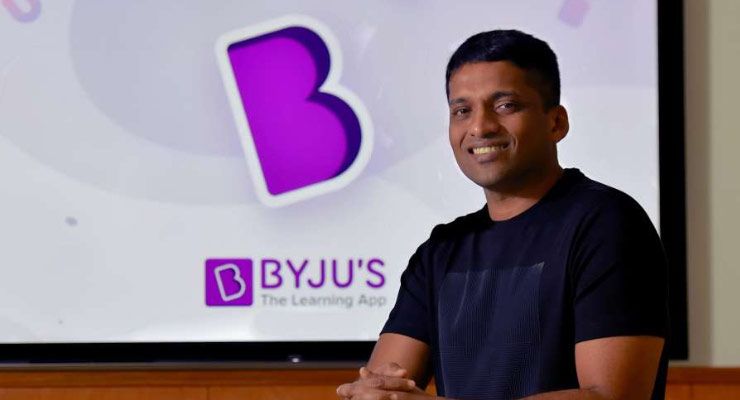
BillDesk, Byju’s, Zetwerk, Goqii, and Swiggy are among the startups that have experienced investor default over the last six to eight months, according to executives familiar with the possible offers, who spoke on the condition of anonymity.
After the lengthy deadline to close the deal expired on Monday, Prosus NV, the investment arm of South Africa’s Naspers, announced it was abandoning its $4.7 billion all-cash purchase of payments service provider BillDesk.
Similar to this, Zetwerk announced on December 29 that it had raised $250 million from a number of investors, including Iconiq Capital, in a deal that valued the company at $2.7 billion, but two people familiar with the situation claim that Iconiq Capital didn’t follow through with the capital commitment. Requests for comment from Zetwerk and Iconiq received no response.
According to two people with knowledge of the situation, Sumeru Ventures’ agreement to purchase Swiggy’s shares was also terminated since the fundraising fell through. Swiggy chose not to comment.
Including Oxshott Ventures and Sumeru Ventures, Byju’s said in March that it had signed agreements to raise $800 million from investors. However, in July, the edtech platform claimed that a sum of $250 million that was expected from these two investors was never sent in.
The health tech business Goqii was not also funded by Sumeru, which did not respond to a request for comment, according to the news website Morning Context in July. Investors frequently withdraw from deals after performing due diligence or at the term sheet stage. However, it is uncommon for traders to leave after concluding share purchase agreements and contractual obligations.

“In 2021, as an investor, you didn’t need to make errors of omission. In 2022, you do not need to make errors of fee,” said Kashyap Chanchani, managing partner at investment bank Rainmaker Group, which has advised tech startups on fundraising. “Handshakes don’t matter anymore. Money in the bank does. Given the volatility, this trend will continue for at least the next quarter, if not beyond,” he stated.
However, lawyers emphasised that startups do have options; however, the process would be stretched out and would probably look at contract law.
AZB & Partners and Shardul Amarchand & Mangaldas were chosen by BillDesk shareholders to investigate legal options that would compel Prosus to consummate the $4.7 billion transaction, according to a report published on Monday.
“Strictly talking, if an investor has determined to not proceed with the transaction after execution of definitive paperwork, then goal and/or promoters have a proper to provoke authorized motion towards the investor and if the info assists, even declare particular efficiency of the contract,” said Yashojit Mitra, partner, Economic Laws Practice, a law firm.
However, from a practical perspective, many of the investment agreements have condition precedents or ‘material adverse change clauses, which allow investors a way out. “Typically, investors would allege that some of the conditions that were agreed as conditions to be fulfilled before investment have not been complied with and therefore they have no obligation to invest,” Mitra added.
This could occur when traders feel there was a serious deviation within the enterprise from what was proposed at the time of the funding. It may occur if there are capital contribution points confronted on the fund stage resulting from world recessionary or geo-political uncertainties, Mitra stated. “Many traders additionally negotiate a situation precedent stating that their funding shall be topic to ‘investment committee’ approval, which may successfully be used by them in the event that they take an inside resolution to not make investments,” Mitra added.
There are countless additional instances of startups that have not yet received the promised funding, according to several lawyers. Such deals’ specifics haven’t been made public.
“We are coming across many instances of investors walking out of a binding contract,” stated Saurav Rajgarhia, associate, IndusLaw. Sometimes the contract could specify {that a} 10-20% drop in valuation due to missed progress milestones would represent a MAC, “however there are situations when the MAC isn’t clearly described,” he added.
The majority of contracts contain a “particular performances” clause that allows a judge to order the investor to carry out the commitment that was made. If the investor decides to withdraw, the business may be able to claim damages under the contract, according to Rajgarhia. He said it would depend on the contract at hand, but startups wouldn’t have much recourse if the lengthy stop date passed before the contract could be finalised.


Follow Startup Story


Related Posts